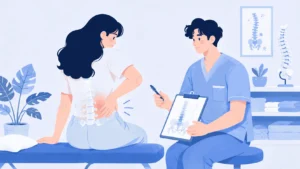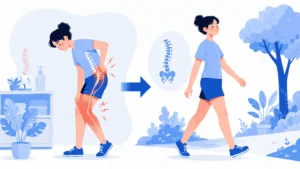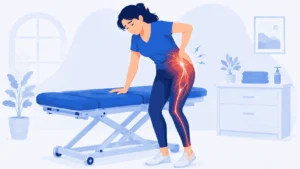

Lower back pain is common in women, but the reason behind it is not always obvious. Sometimes, it starts after sitting too long or lifting something heavy. Other times, it appears around your period, during pregnancy, or without any clear injury.
The causes of lower back pain in women can range from everyday muscle strain to hormonal changes, spinal problems, and conditions affecting the pelvic organs. The location of the pain, when it starts, and any other symptoms can offer important clues.
Understanding these possible causes can help you recognise when simple self-care may be enough and when it is time to seek medical advice.
Why Is Lower Back Pain Common in Women?
Women can experience lower back pain for many of the same reasons as men, including muscle strain, disc problems, and prolonged sitting. However, certain reproductive and hormonal factors can also contribute to discomfort.
These include:
- Menstrual cycles: Period-related cramps can sometimes be felt in the lower back.
- Pregnancy: Physical and hormonal changes can place additional demands on the back and pelvis.
- Menopause: Age-related changes in muscles, bones, and joints may contribute to discomfort.
- Pelvic health conditions: Problems affecting the uterus, ovaries, or surrounding structures can sometimes cause pain that extends into the lower back.
Not every episode of back pain is related to hormones or reproductive health. Looking at accompanying symptoms is often more helpful than assuming one particular cause.
10 Common Causes of Lower Back Pain in Women
1. Muscle Strain and Everyday Physical Stress
Muscle strain is one of the most common explanations for lower back pain.
It can happen after lifting a heavy object, making an awkward movement, exercising more intensely than usual, or spending long periods in one position.
You might notice:
- A dull ache across the lower back
- Tightness or muscle spasms
- Pain when bending, twisting, or standing up
- Stiffness after sitting for a long time
For many people, this type of discomfort gradually improves with gentle movement and time.
However, pain that persists, becomes more severe, or repeatedly returns deserves further evaluation.
2. Menstrual Cramps and Hormonal Changes
Have you noticed that your lower back starts aching just before or during your period?
Menstrual cramps do not always stay in the lower abdomen. They can also spread into the lower back and thighs.
During menstruation, the body releases substances called prostaglandins, which help the uterus contract. These contractions can contribute to cramping and referred back pain.
Period-related lower back pain may occur alongside:
- Lower abdominal cramps
- Pelvic heaviness
- Fatigue
- Discomfort extending into the thighs
Mild discomfort is common, but severe menstrual pain that interferes with daily activities should not be dismissed as normal.
3. Pregnancy-Related Lower Back Pain
Lower back pain can occur during pregnancy as the body adapts to physical and hormonal changes.
Changes in ligament flexibility, muscle demands, posture, and weight distribution may contribute to discomfort.
Some women experience pain early in pregnancy, while others notice it more during the second or third trimester.
Pregnancy-related discomfort may involve the lower back, pelvis, or sacroiliac joints.
However, lower back pain during pregnancy is not always caused by the spine. Pain accompanied by vaginal bleeding, significant abdominal pain, fever, or other concerning symptoms requires prompt medical assessment.
For a more detailed explanation, read our guide to lower back pain in early pregnancy.
4. Endometriosis and Other Pelvic Conditions
Sometimes, pain that feels like a lower back problem actually begins in the pelvic region.
Endometriosis is a condition in which tissue similar to the lining of the uterus grows outside the uterus. It can cause persistent or recurring pelvic pain that may extend into the lower back.
Other conditions, including uterine fibroids and adenomyosis, may also contribute to pelvic discomfort and back pain.
Possible accompanying symptoms include:
- Severe menstrual cramps
- Pelvic pain between periods
- Heavy or irregular menstrual bleeding
- Pain during intercourse
- Discomfort during bowel movements
These symptoms do not automatically mean you have a particular condition, but they are worth discussing with a qualified healthcare professional.
A gynaecological evaluation may be more appropriate than spinal treatment when symptoms suggest a reproductive health condition.
5. Herniated Discs and Nerve Irritation
The spine contains discs that act as cushions between the vertebrae.
When a disc bulges or herniates, it can sometimes irritate nearby nerve structures.
This may cause lower back pain, particularly when accompanied by symptoms extending into the buttock or leg.
Common symptoms include:
- Lower back discomfort
- Shooting pain into one leg
- Tingling or numbness
- Pain that worsens with certain movements
- Occasionally, muscle weakness
Not every bulging or herniated disc causes pain, and not every episode of leg pain is caused by a disc problem.
6. Sacroiliac Joint and Pelvic Girdle Pain
The sacroiliac joints connect the lower spine to the pelvis.
Pain arising around these joints can sometimes feel like lower back, buttock, or hip discomfort.
It may be more noticeable when:
- Standing for extended periods
- Climbing stairs
- Rolling over in bed
- Getting out of a car
- Putting weight on one leg
Sacroiliac and pelvic girdle pain can occur during pregnancy, but they are not limited to pregnant women.
Because hip, spinal, and pelvic conditions can produce similar symptoms, a physical examination may be needed to identify the source.
7. Osteoarthritis and Age-Related Spinal Changes
As women get older, changes in spinal joints and discs can contribute to stiffness and discomfort.
Osteoarthritis may affect the small joints of the spine, sometimes causing pain that is more noticeable after inactivity or certain movements.
Symptoms can include:
- Lower back stiffness
- Reduced flexibility
- Discomfort during standing or walking
- Pain that comes and goes
Age-related changes on an X-ray or MRI do not necessarily explain a person’s symptoms. Many people have degenerative changes without experiencing pain.
After menopause, declining oestrogen levels can also contribute to bone loss. Osteoporosis itself is usually painless unless a fracture occurs, but spinal compression fractures can cause significant back pain.
New or sudden back pain in someone with osteoporosis should be medically assessed.
8. Urinary Tract and Kidney Problems
Not all lower back pain comes from muscles or joints.
A kidney infection or another urinary condition can sometimes cause pain around the back or side of the body.
Unlike typical muscle strain, kidney-related pain may occur with additional symptoms such as:
- Fever or chills
- Burning during urination
- Frequent urination
- Nausea or vomiting
- Pain around the side of the back, beneath the ribs
These symptoms should not be treated as ordinary mechanical back pain.
If you have back or flank pain with fever or urinary symptoms, seek prompt medical attention.
9. Digestive Problems and Constipation
Can constipation cause lower back pain?
Sometimes, yes. Significant constipation may cause abdominal bloating, pressure, and discomfort that can be felt around the lower back.
You may also experience:
- Infrequent bowel movements
- Hard or difficult-to-pass stools
- Abdominal fullness
- Cramping or bloating
However, constipation and back pain occurring together do not necessarily mean one is causing the other.
Persistent abdominal symptoms, unexplained weight loss, blood in the stool, or severe pain should be evaluated by a healthcare professional.
10. Chronic Lower Back Conditions, Including Vertebrogenic Pain
Some women experience lower back pain that continues for several months despite changes in activity or basic self-care.
Persistent pain may involve several contributing factors, including disc-related changes, joint problems, muscular sensitivity, or other spinal conditions.
One possible cause is vertebrogenic low back pain, which is associated with changes in the vertebral endplates and pain signals carried by the basivertebral nerve.
This type of pain cannot be diagnosed from symptoms alone. A clinician may consider medical history, examination findings, and appropriate imaging.
Chronic lower back pain should not automatically be attributed to poor posture or a spinal misalignment. Identifying the likely source is important for choosing suitable care.
What Does the Location of Lower Back Pain Tell You?
Where you feel pain can sometimes provide useful clues, although location alone cannot confirm a diagnosis.
| Pain location | Possible causes |
| Across the lower back | Muscle strain, disc-related pain, or spinal joint irritation |
| Lower back and pelvis | Menstrual pain, pelvic conditions, or pelvic girdle pain |
| Lower back and one hip | Hip problems, sacroiliac joint pain, or referred spinal pain |
| Lower back with pain down the leg | Possible nerve irritation or sciatica |
| Back or side with urinary symptoms | Kidney or urinary tract conditions |
Pain concentrated on one side may have several explanations. Learn more in our article about right-side lower back pain causes.
When Should Women Be Concerned About Lower Back Pain?
Most episodes of lower back pain are not caused by a serious condition. However, certain symptoms need medical attention.
Seek emergency care if you experience:
- New loss of bladder or bowel control
- Numbness around the groin or saddle area
- Rapidly worsening leg weakness
- Severe back pain following significant trauma
Seek prompt medical evaluation if back pain occurs with:
- Fever or chills
- Urinary symptoms
- Severe abdominal or pelvic pain
- Unexplained weight loss
- New pain with a history of cancer
- Pregnancy-related bleeding or significant abdominal pain
You should also arrange an evaluation if your pain continues, repeatedly returns, or significantly affects your daily activities.
What Can Help With Lower Back Pain?
The most appropriate approach depends on what is causing the discomfort.
For uncomplicated muscular back pain, some helpful measures may include:
- Gentle movement: Short walks and comfortable daily activities may help prevent unnecessary stiffness.
- Avoiding prolonged bed rest: Staying active within your tolerance is generally preferable to extended inactivity.
- Heat therapy: A warm compress may help relax tense muscles.
- Adjusting daily activities: Changing uncomfortable positions and reducing repeated physical strain may help.
- Gradual strengthening: Appropriate exercises can support strength, mobility, and confidence in movement.
Exercises should match your symptoms and physical condition. Movements that increase radiating pain, numbness, or weakness should be stopped and assessed.
If your pain appears related to muscles or joints, our guide to lower back pain relief stretches provides additional information.
These measures are not substitutes for medical evaluation when pain may involve pregnancy complications, kidney problems, or pelvic conditions.
Can Chiropractic Care Help Women With Lower Back Pain?
Chiropractic care may be an option for some women experiencing mechanical lower back pain, particularly when discomfort is associated with movement, muscles, or spinal joints.
A chiropractor can review your symptoms, assess your movement, and determine whether conservative musculoskeletal care may be appropriate.
Depending on the findings, care may include manual therapy, exercise recommendations, and advice about daily activities.
However, chiropractic care is not a treatment for every cause of lower back pain. Conditions involving the kidneys, reproductive organs, fractures, or other medical problems require appropriate medical evaluation.
Spinal manipulation may offer modest improvements in pain and function for some people with lower back pain, but outcomes vary and no treatment guarantees lasting relief.
Lower Back Pain Evaluation in Sanford, FL
If lower back pain is affecting your daily life, understanding what may be contributing to it is a useful first step.
At VitalSpine Chiropractic in Sanford, FL, Dr. Michaelene Callahan, DC, provides personalised chiropractic care for patients experiencing back pain and other musculoskeletal concerns.

Her approach includes reviewing symptoms, discussing relevant health history, and assessing whether chiropractic treatment is suitable for the individual.
If symptoms suggest a condition outside the scope of chiropractic care, medical evaluation or referral may be necessary.
Whether discomfort is related to physical activity, recurring muscle tension, or a spinal problem, the priority is understanding your symptoms before choosing a treatment approach.
Experiencing recurring lower back pain?
Contact VitalSpine Chiropractic in Sanford, FL, to discuss an appointment and find out whether a chiropractic assessment may be appropriate for your symptoms.
Frequently Asked Questions (FAQs)
1. Why does my lower back hurt even though I haven’t injured it?
Lower back pain can develop without an obvious injury. Prolonged sitting, muscular tension, age-related spinal changes, and certain pelvic conditions may contribute. If the pain persists or has no clear explanation, an assessment can help identify possible causes.
2. Can menopause cause lower back pain?
Menopause does not directly cause every type of back pain, but hormonal changes, sleep disturbances, and age-related changes in muscles, joints, and bones may contribute to discomfort. Osteoporosis also becomes more common after menopause.
3. Can lower back pain be related to ovarian problems?
Yes. Certain ovarian conditions, including cysts, can cause pelvic pain that sometimes extends into the lower back. Sudden, severe pelvic pain, especially with nausea, vomiting, or faintness, requires urgent medical assessment.
4. Why do I have lower back pain and pelvic pressure?
Lower back pain with pelvic pressure may be associated with menstrual changes, pelvic floor problems, urinary conditions, or gynaecological issues. The combination of symptoms should be evaluated if it is persistent, unusual, or worsening.
5. Is lower back pain more common as women get older?
Lower back pain can affect women at any age. With ageing, factors such as reduced muscle strength, spinal joint changes, and osteoporosis-related fractures may become more relevant. However, ageing does not mean persistent pain is inevitable.
Disclaimer
This article is for general educational purposes and does not replace medical advice, diagnosis, or treatment. Consult a qualified healthcare professional about persistent, worsening, or unexplained symptoms.