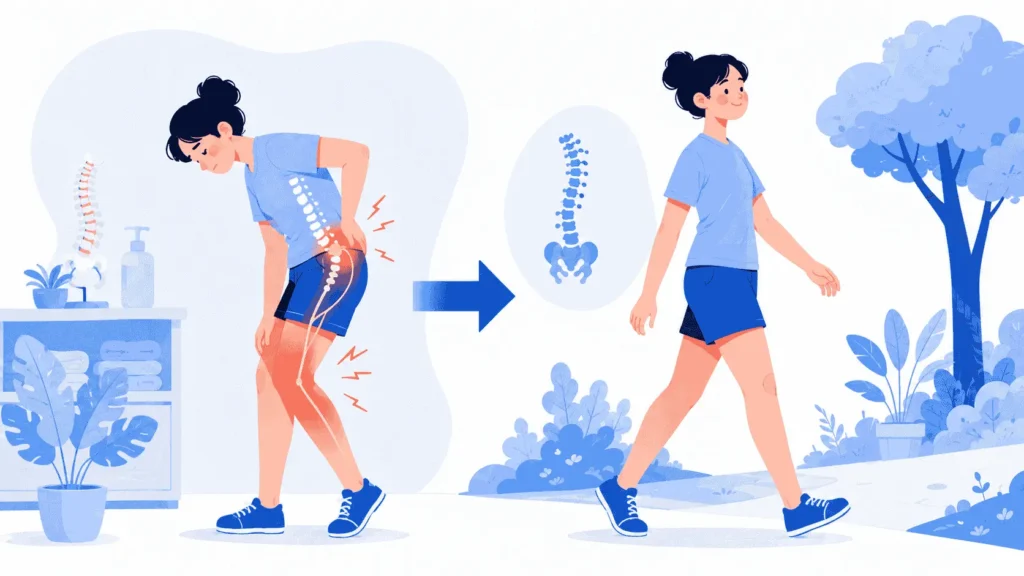
Is sciatica permanent? In many cases, no. Sciatica can improve naturally when the underlying irritation or compression of the sciatic nerve settles, although recovery depends on the cause, severity, and duration of symptoms. Some people improve within a few weeks, while persistent or recurring symptoms may require professional evaluation and treatment.
At Vitalspine Chiropractic in Sanford, FL, we help patients understand the possible causes of sciatica and explore appropriate, non-invasive options for improving mobility and managing discomfort.
What Is Sciatica?
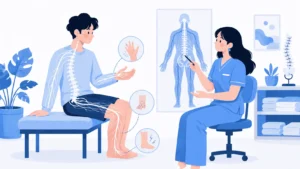
Sciatica refers to symptoms caused by irritation or compression of the sciatic nerve or the nerve roots that contribute to it. The sciatic nerve travels from the lower back through the buttocks and into the legs, so symptoms can extend beyond the lower back.
Common symptoms may include:
- Pain traveling from the lower back into the buttock or leg
- Burning or shooting pain
- Tingling or pins-and-needles sensations
- Numbness in the leg or foot
- Muscle weakness
- Stiffness in the lower back
- Hip or buttock discomfort
Because several conditions can cause similar symptoms, an appropriate evaluation is important when pain persists or worsens.
Is Sciatica Permanent?
For many people, sciatica is not permanent. When the underlying irritation improves, symptoms can gradually decrease and normal movement can return.
However, recovery varies considerably. Factors that may influence how long sciatica lasts include:
- The underlying cause
- Severity of nerve irritation
- Duration of symptoms
- Activity levels
- Overall physical condition
- Presence of muscle weakness or numbness
- Whether the contributing problem continues
Temporary nerve irritation may resolve relatively quickly, while persistent nerve compression or an underlying spinal condition may require more comprehensive treatment.
Can Sciatica Go Away Naturally?
Yes, some cases of sciatica can improve naturally with time and appropriate self-care. Staying gently active, avoiding aggravating movements, maintaining good posture, and gradually returning to normal activity may support recovery.
However, “natural recovery” does not mean ignoring symptoms. If pain continues, repeatedly returns, or is accompanied by significant numbness or weakness, professional evaluation can help determine what is causing the problem.
Why Does Sciatica Come and Go?
Many people ask, “why does sciatica come and go?” Sciatic symptoms can fluctuate depending on activity, posture, inflammation, muscle tension, and the amount of stress placed on the lower back and surrounding structures.
You may feel better after resting but notice symptoms return after:
- Prolonged sitting
- Long periods of standing
- Bending or lifting
- Repetitive activity
- Poor posture
- Certain sleeping positions
- Increased physical activity
Recurring symptoms may indicate that an underlying contributing factor has not been fully addressed.
Common Causes of Sciatica
Sciatica is a symptom rather than a single disease. Several conditions can irritate the nerves involved.
Herniated Disc
A herniated or bulging disc can place pressure on a nerve root in the lower spine. This is one of the common causes of sciatic-type symptoms.
Spinal Changes
Age-related changes in the spine can sometimes narrow the spaces where nerves travel. This may contribute to nerve irritation and leg symptoms.
Muscle and Joint Dysfunction
Tight muscles, restricted joint movement, and altered movement patterns may contribute to discomfort around the lower back, pelvis, and hip.
Injury or Repetitive Strain
Lifting, sports activities, accidents, or repetitive movements can place additional stress on the lower back and surrounding structures.
Sciatica and Hip Pain
Sciatica can sometimes cause pain around the hip, buttock, or upper leg. However, not every type of hip pain is caused by the sciatic nerve.
Hip joint problems, muscle injuries, bursitis, and other conditions can produce similar symptoms. The location, pattern, and behavior of the pain can help a healthcare professional determine whether the symptoms are consistent with sciatica.
Can Sciatica Cause Foot Pain?
Yes. Because the sciatic nerve extends down the leg, irritation of the related nerve roots can cause symptoms farther down the leg and into the foot.
Some people experience:
- Sciatica pain in foot
- Burning sensations
- Tingling
- Numbness
- Pins and needles
- Altered sensitivity
If foot symptoms are persistent or accompanied by weakness, professional assessment is particularly important.
Sciatic Nerve Problems in the Foot
Sciatic nerve problems in the foot may feel different from ordinary foot soreness. You may experience numbness, tingling, burning, or a strange sensation that seems to travel from the lower back or leg toward the foot.
The specific location of numbness can sometimes provide useful information about which nerve structures may be involved. However, foot symptoms can have many causes, so they should not automatically be attributed to sciatica.
Can Sciatica Cause Numb Feet?
Yes, sciatica may contribute to numb feet from sciatica when nerve irritation affects the pathways responsible for sensation in the lower leg and foot.
Numbness should be monitored carefully. If it becomes persistent, spreads, or occurs alongside muscle weakness, seek professional evaluation rather than relying only on home treatment.
Sciatica Pain and Muscle Spasms
Sciatica may occur alongside muscle tightness or spasms in the lower back, buttocks, or legs. When the body experiences pain or irritation, surrounding muscles may tighten as a protective response.
This can contribute to:
- Lower back stiffness
- Muscle spasms
- Reduced mobility
- Difficulty sitting comfortably
- Increased discomfort with movement
Addressing both the underlying source of irritation and the associated muscular tension may be important for improving overall function.
Stiffness in the Lower Back and Sciatica
Stiffness in the lower back is common among people experiencing sciatic symptoms. You may notice stiffness after waking, sitting for long periods, or remaining in one position.
Gentle movement can often be more helpful than prolonged bed rest, although activities that significantly increase pain should be avoided until you understand what is contributing to your symptoms.
Is Sciatica Dangerous?
Most cases of sciatica are not life-threatening, but certain symptoms require prompt medical attention.
Sciatica becomes more concerning when it is associated with:
- Significant or progressive leg weakness
- Severe or increasing numbness
- Difficulty walking
- Loss of bladder or bowel control
- Numbness around the groin or inner thighs
- Severe symptoms following significant trauma
These symptoms can indicate a more serious neurological problem and require urgent medical evaluation.
How Long Does Sciatica Last?
There is no single timeline for sciatica recovery. Some people experience significant improvement within several weeks, while others have symptoms that persist for months or recur periodically.
Recovery may take longer when:
- The underlying cause remains unresolved
- Symptoms are severe
- There is significant nerve compression
- Weakness or numbness is present
- Normal activity continues to aggravate the condition
- Treatment is delayed despite persistent symptoms
Instead of focusing only on how long the pain lasts, it is important to understand whether symptoms are improving, staying the same, or getting worse.
What Can You Do for Natural Sciatica Relief?
If your symptoms are mild and improving, several conservative strategies may support recovery.
Keep Moving Gently
Complete inactivity can contribute to stiffness and deconditioning. Gentle walking and comfortable movement may help maintain mobility.
Avoid Prolonged Sitting
Long periods of sitting can aggravate some people’s symptoms. Take regular movement breaks and change positions throughout the day.
Improve Your Posture
Maintaining a comfortable, supported posture can reduce unnecessary stress on the lower back.
Use Appropriate Heat or Cold
Some people find that heat helps relax tight muscles, while others prefer cold for short-term comfort. Avoid extreme temperatures and prolonged exposure.
Gradually Return to Activity
As symptoms improve, gradually return to normal activities instead of suddenly increasing physical demands.
When Should You See a Chiropractor for Sciatica?
Consider professional evaluation if your sciatica:
- Continues for several weeks
- Keeps returning
- Interferes with sleep
- Limits walking or daily activities
- Causes persistent numbness or tingling
- Produces significant muscle tightness
- Is accompanied by weakness
A chiropractor can evaluate musculoskeletal factors that may be contributing to symptoms and determine whether chiropractic care is appropriate.
Chiropractic Care for Sciatica
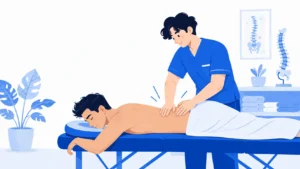
Chiropractic care may be appropriate for some patients with sciatica, particularly when symptoms are associated with musculoskeletal dysfunction involving the lower back, pelvis, or surrounding structures.
Depending on the individual’s condition, care may include:
- Chiropractic adjustments
- Mobility exercises
- Stretching recommendations
- Soft tissue techniques
- Posture guidance
- Corrective exercises
- Lifestyle recommendations
The goal is to improve movement and function while addressing factors that may be contributing to discomfort.
If you are searching for a chiropractor for sciatica Sanford FL, an individualized evaluation can help determine whether chiropractic treatment may be suitable for your symptoms.
Sciatica Treatment in Sanford, FL
At Vitalspine Chiropractic, our approach to sciatica treatment Sanford FL focuses on understanding each patient’s symptoms, movement patterns, and functional needs.
Treatment may be customized based on factors such as:
- Where your pain occurs
- Whether symptoms travel into the leg or foot
- Presence of numbness or tingling
- Mobility limitations
- Activity-related triggers
- Your overall health and goals
Our goal is to provide appropriate, non-invasive support while recognizing when symptoms require referral or additional medical evaluation.
Meet Dr. Michaelene Callahan, DC
Dr. Michaelene Callahan brings more than 24 years of chiropractic experience to personalized patient care. She earned her Doctorate of Chiropractic from Life University and focuses on helping patients improve mobility, function, and overall wellness through individualized, non-invasive approaches.
Her care philosophy emphasizes understanding contributing factors rather than simply focusing on symptoms. At Vitalspine Chiropractic in Sanford, FL, Dr. Callahan works with patients to develop treatment strategies based on their individual needs and functional goals.

Why Choose Vitalspine Chiropractic for Sciatica?
If you are looking for sciatica pain relief Sanford FL or a sciatica chiropractor Sanford Florida, choosing an experienced local provider can make it easier to receive consistent care and monitor your progress.
Vitalspine Chiropractic provides:
- Personalized treatment plans
- Non-invasive chiropractic care
- Mobility and corrective exercise guidance
- Patient-centered treatment
- Functional wellness support
- Convenient Sanford, FL care
Whether your symptoms involve your lower back, hip, leg, or foot, an appropriate evaluation can help determine the next step.
Take the Next Step Toward Sciatica Relief
Sciatica does not have to mean permanent pain. Many people improve with time and appropriate conservative care, but persistent, recurring, or worsening symptoms deserve professional attention.
If you are experiencing sciatica in Sanford, FL, Book Your Appointment with Vitalspine Chiropractic to discuss your symptoms and explore appropriate care options.
Have questions about sciatica treatment in Sanford, FL? Contact Us to learn more about available treatment options.
Frequently Asked Questions
Is sciatica permanent?
No, is sciatica permanent depends on its underlying cause and severity. Many cases improve with time and conservative care, while persistent nerve compression or an underlying condition may require professional treatment.
Why does sciatica come and go?
Sciatica can come and go because symptoms may change with posture, activity, muscle tension, inflammation, or pressure on the affected nerve. Recurring symptoms may indicate that an underlying contributing factor needs further evaluation.
Can sciatica cause foot pain?
Yes, sciatica can cause pain, burning, tingling, or numbness that travels into the foot. Sciatica pain in the foot may occur when nerve structures in the lower back are irritated.
Can sciatica cause numb feet?
Yes, numb feet from sciatica can occur when nerve irritation affects sensory pathways traveling into the lower leg and foot. Persistent or worsening numbness should be professionally evaluated.
Is sciatica dangerous?
Most cases are not dangerous, but severe or progressive weakness, significant numbness, bladder or bowel changes, or numbness around the groin require urgent medical evaluation.
Can sciatica cause hip pain?
Yes, sciatica may cause pain around the buttock and hip area, although many other conditions can also cause hip pain. An evaluation can help determine whether symptoms are nerve-related.
Can sciatica cause muscle spasms?
Sciatica can occur with muscle tightness and spasms around the lower back, buttocks, and legs. Muscle guarding may develop in response to pain or irritation and can contribute to stiffness and restricted movement.
Should I see a doctor for sciatica pain?
Consider seeing a healthcare professional when symptoms persist, worsen, repeatedly return, or interfere with daily activities. Significant weakness, severe numbness, or bladder and bowel changes require prompt medical attention.
Can a chiropractor help with sciatica?
A chiropractor may help some patients when sciatic symptoms are related to musculoskeletal dysfunction. An individualized evaluation is important to determine whether chiropractic care is appropriate for your condition.
Where can I get sciatica treatment in Sanford, FL?
Vitalspine Chiropractic provides personalized sciatica treatment Sanford FL patients can access through non-invasive chiropractic and functional care. Book Your Appointment to discuss your symptoms and treatment options.
Disclaimer
This content is for informational purposes only and does not constitute medical advice, diagnosis, or treatment. Sciatica can have multiple causes and may require medical evaluation. Always consult a qualified healthcare professional for personalized guidance. Seek urgent medical attention for severe or sudden neurological symptoms, significant weakness, loss of bladder or bowel control, or numbness around the groin.