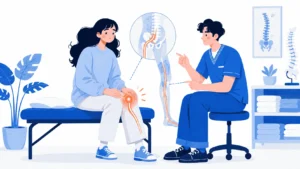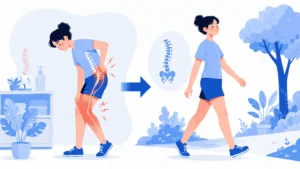

If your back pain is on the lower right side, the cause can range from muscle strain and poor posture to joint irritation, nerve involvement, or problems outside the spine. The location, severity, duration, and symptoms that occur with the pain can provide important clues about what may be contributing to it.
At Vitalspine Chiropractic in Sanford, FL, we help patients understand the possible causes of lower back discomfort and develop personalized, non-invasive care plans when appropriate. If you are experiencing back pain on the lower right side, this guide explains common causes, symptoms to watch for, when to seek medical care, and potential treatment options.
Why Does My Lower Right Back Side Hurt?
Pain in the lower right side of the back can develop for many different reasons. Sometimes it is caused by the muscles, joints, or other structures of the lower back, while in other cases it may be related to the nerves or an internal organ.
Common causes include:
- Muscle strain or overuse
- Poor posture
- Prolonged sitting
- Spinal or joint dysfunction
- Sacroiliac joint irritation
- Nerve irritation
- Disc-related problems
- Kidney or urinary conditions
- Digestive or abdominal conditions
- Certain reproductive or pelvic conditions
The fact that pain occurs on the right side does not automatically identify its cause. A proper evaluation is important when symptoms persist, worsen, or occur with other concerning symptoms.
Common Causes of Lower Back Pain on the Right Side
1. Muscle Strain
Muscle strain is one of the common reasons the right side of the back hurts. Lifting, bending, exercising, repetitive movements, or suddenly increasing physical activity can place excessive stress on the lower back muscles.
You may notice:
- Aching or soreness
- Tightness
- Pain with certain movements
- Muscle tenderness
- Stiffness after resting
Mild muscle-related discomfort may improve with relative rest and gradual movement, but persistent pain should be evaluated.
2. Poor Posture
Spending long periods sitting at a desk, driving, looking down at a phone, or standing incorrectly can increase stress on the lower back.
Poor posture can cause muscles on one side of the body to work harder than others, potentially contributing to uneven tension and discomfort.
If you frequently ask, “Why does my back feel tight?”, your daily posture and movement habits may be worth evaluating.
3. Prolonged Sitting
Sitting for extended periods can contribute to lower back stiffness and discomfort, especially when the chair does not provide adequate support.
Some people notice that their back hurts when sitting but not standing. This pattern may be related to posture, prolonged loading, or sensitivity of certain spinal structures.
Taking regular movement breaks and adjusting your workstation may help reduce unnecessary strain.
4. Sacroiliac Joint Irritation
The sacroiliac joints connect the pelvis to the lower spine. Irritation or dysfunction around these joints can cause pain on one side of the lower back or near the buttock.
Symptoms may become more noticeable during:
- Walking
- Climbing stairs
- Getting out of a chair
- Turning in bed
- Standing for extended periods
A professional evaluation can help determine whether the sacroiliac joint may be contributing to your symptoms.
5. Disc-Related Problems
Discs between the vertebrae help absorb shock and allow the spine to move. Changes involving a spinal disc can sometimes cause localized lower back pain or irritate nearby nerves.
If a nerve becomes irritated, symptoms may extend into the buttock, hip, leg, or foot.
6. Nerve Irritation
Nerve irritation in the lower back can cause more than localized pain. Depending on the affected nerve, symptoms may include:
- Burning
- Tingling
- Numbness
- Shooting pain
- Weakness
- Pain traveling into the leg
If you experience significant or progressive weakness or numbness, seek professional medical evaluation.
What Causes Pain in the Lower Back Right Side?
When considering the cause of pain in the right side of the lower back, it is useful to look at when the pain started and what makes it better or worse.
For example:
Pain after lifting: May suggest muscle strain or mechanical irritation.
Pain after prolonged sitting: May be related to posture or spinal loading.
Pain that travels into the leg: May involve nerve irritation.
Pain with certain movements: May suggest a musculoskeletal cause.
Pain accompanied by fever or urinary changes: May require medical evaluation for a non-spinal cause.
These patterns are useful clues, but they cannot replace a professional assessment.
Why Does My Back Feel Tight?
Lower back tightness can develop when muscles remain tense for extended periods. This may happen because of:
- Poor posture
- Stress
- Physical overuse
- Prolonged sitting
- Lack of movement
- Muscle strain
- Protective muscle guarding after an injury
If your lower back feels tight regularly, improving movement habits, mobility, and posture may help. Persistent tightness accompanied by pain or neurological symptoms should be evaluated.
Backache on the Right Side: What Does It Mean?
A backache on the right side can be caused by muscles, joints, nerves, or other structures around the lower back.
A mild ache after physical activity may be associated with muscular strain. However, severe, persistent, or unexplained right-sided back pain requires more careful evaluation, especially if it occurs alongside abdominal, urinary, neurological, or systemic symptoms.
Back Pain When Lying Down
Some people experience backache when lying down, while others feel better when resting.
Pain that becomes worse when lying down can have several possible explanations, including:
- Sleeping position
- Mattress or pillow support
- Muscle tension
- Spinal irritation
- Joint-related discomfort
- Certain underlying medical conditions
Try maintaining a comfortable neutral position and changing sleeping positions if necessary. Persistent or severe pain that repeatedly interferes with sleep should be discussed with a healthcare professional.
What About Lower Back Pain on the Left Side?
Although this article focuses on right-sided pain, lower back discomfort can also occur on the opposite side.
Searches such as lower back ache left side, lower back discomfort left side, and lower back hurts left side describe symptoms that may have many of the same possible causes, including muscle strain, posture-related stress, joint dysfunction, nerve irritation, and non-spinal conditions.
The side of the pain alone does not determine the underlying cause.
Could Right-Sided Back Pain Come From the Kidneys?
Yes. Not all lower back pain originates from the spine or muscles.
Kidney-related problems can sometimes cause pain in the side or back and may occur with symptoms such as:
- Fever or chills
- Painful urination
- Frequent urination
- Blood in the urine
- Nausea or vomiting
- Significant side or flank pain
If you have these symptoms, particularly severe pain with fever or urinary changes, seek medical evaluation rather than assuming the pain is a musculoskeletal problem.
When Should You Be Concerned About Right-Sided Lower Back Pain?
Most mild mechanical back pain is not an emergency, but certain symptoms require prompt medical attention.
Seek medical care if your back pain is:
- Severe or rapidly worsening
- Associated with fever or chills
- Accompanied by unexplained weight loss
- Associated with significant abdominal pain
- Accompanied by urinary changes
- Following significant trauma
- Associated with progressive weakness or numbness
- Causing loss of bladder or bowel control
Sudden severe neurological symptoms or loss of bladder or bowel control require urgent medical evaluation.
How Is Lower Right Back Pain Diagnosed?
The first step is usually a detailed history and physical examination. A healthcare professional may ask about:
- When the pain started
- Where the pain is located
- What activities trigger it
- Whether it travels into the leg
- Previous injuries
- Your daily activity and posture
- Other symptoms
Depending on your symptoms and examination findings, additional testing or referral may be recommended.
The goal is to identify the most likely source of your pain rather than treating every case of lower back pain in the same way.
How to Relieve Lower Right Back Pain
Treatment depends on the cause of the discomfort. For mild mechanical back pain, conservative strategies may include:
Keep Moving
Gentle movement can help prevent stiffness and maintain mobility. Short walks and comfortable mobility exercises may be useful when tolerated.
Avoid Prolonged Positions
If sitting aggravates your symptoms, take regular breaks to stand, walk, and change position.
Improve Your Posture
Use a supportive chair and keep your workstation arranged so that you are not constantly bending or twisting your spine.
Use Heat or Cold
Some people find that heat helps relax tight muscles, while cold may provide short-term comfort after certain types of irritation. Avoid extreme temperatures or prolonged application.
Gradually Return to Normal Activities
Avoid suddenly returning to heavy lifting or strenuous exercise after an episode of back pain. Increase activity gradually as symptoms improve.
Chiropractic Care for Lower Right Back Pain
Chiropractic care may be appropriate when lower back pain is associated with musculoskeletal factors such as restricted joint movement, posture-related stress, or mechanical dysfunction.
Depending on the individual assessment, treatment may include:
- Chiropractic adjustments
- Mobility exercises
- Corrective exercises
- Soft tissue techniques
- Posture recommendations
- Lifestyle guidance
- Functional rehabilitation
The goal is to improve movement, reduce mechanical stress, and support better function rather than simply masking symptoms.
If you are searching for a chiropractor for lower back pain Sanford FL, an individualized evaluation can help determine whether chiropractic care is appropriate for your symptoms.
Lower Back Pain Treatment in Sanford, FL
At Vitalspine Chiropractic, we provide personalized lower back pain treatment Sanford FL patients can access through non-invasive chiropractic and functional care.
Your treatment plan may be based on:
- The location and pattern of your pain
- Your mobility
- Posture and movement habits
- Previous injuries
- Associated symptoms
- Your personal health and treatment goals
If symptoms suggest that your pain may have a non-musculoskeletal cause, appropriate medical referral or additional evaluation may be recommended.
Meet Dr. Michaelene Callahan, DC
Dr. Michaelene Callahan brings more than 24 years of chiropractic experience to personalized patient care. She earned her Doctorate of Chiropractic from Life University and focuses on helping patients improve mobility, function, and overall wellness through individualized, non-invasive approaches.
Her patient-centered approach considers each person’s symptoms, movement patterns, lifestyle, and functional needs when developing a care plan. At Vitalspine Chiropractic in Sanford, FL, Dr. Callahan works with patients to identify contributing factors and support better movement and comfort.

Why Choose Vitalspine Chiropractic in Sanford, FL?
If you are searching for a back pain specialist Sanford FL, lower back pain relief Sanford FL, or a back pain chiropractor Sanford Florida, choosing a local provider can make ongoing care more convenient.
Vitalspine Chiropractic offers:
- Personalized treatment plans
- Non-invasive chiropractic care
- Mobility and corrective exercise guidance
- Posture and lifestyle recommendations
- Functional wellness support
- Patient-focused care
- Convenient Sanford, FL location
Our approach focuses on understanding your symptoms and developing care around your individual needs.
Take the Next Step Toward Lower Back Pain Relief
Right-sided lower back pain can have many possible causes, from muscle strain and posture-related stress to nerve irritation or conditions outside the spine. Identifying the cause is an important first step toward choosing the right approach.
If your symptoms are persistent or affecting your daily activities, Book Your Appointment with Vitalspine Chiropractic in Sanford, FL to discuss your symptoms and explore appropriate care options.
Have questions about your back pain or treatment options? Contact Us to learn more.
Frequently Asked Questions
Why does my lower right back side hurt?
Why does my lower right back side hurt? Common possibilities include muscle strain, poor posture, joint irritation, disc problems, or nerve irritation. Kidney and other non-spinal conditions can also cause right-sided back pain, particularly when other symptoms are present.
What causes pain in the lower back on the right side?
The cause of pain in the right side of the lower back can include muscle strain, prolonged sitting, spinal or joint dysfunction, nerve irritation, or disc-related problems. A professional evaluation can help identify the most likely source.
Why does my back feel tight?
Your back may feel tight because of muscle tension, prolonged sitting, poor posture, physical overuse, stress, or protective muscle guarding. Persistent tightness combined with pain, numbness, or weakness should be evaluated.
Can back pain be worse when sitting?
Yes, prolonged sitting can increase stress on certain spinal and muscular structures and may worsen discomfort. If your back hurts when sitting but not standing, changing positions regularly and improving your sitting posture may help.
Why does my back hurt when lying down?
Backache when lying down may be related to sleeping position, muscle tension, spinal irritation, or other factors. If pain consistently disrupts sleep, becomes severe, or worsens at night, seek professional evaluation.
Can kidney problems cause lower right back pain?
Yes, kidney conditions can cause pain in the side or back and may occur with fever, urinary changes, nausea, or blood in the urine. These symptoms require medical evaluation rather than assuming the pain is coming from the spine.
Can a chiropractor help with lower right back pain?
A chiropractor may help when lower right back pain is related to musculoskeletal dysfunction, restricted movement, posture, or mechanical stress. An individualized assessment is important to determine whether chiropractic care is appropriate.
When should I see a chiropractor for lower back pain?
Consider seeing a chiropractor when back pain persists, repeatedly returns, limits movement, or interferes with daily activities. Severe pain, significant weakness, numbness, fever, or other concerning symptoms may require medical evaluation first.
Can lower back pain cause hip or leg pain?
Yes, certain lower back conditions can cause referred or nerve-related pain that extends into the hip, buttock, or leg. Symptoms that travel down the leg with numbness, tingling, or weakness should be professionally assessed.
Where can I get lower back pain treatment in Sanford, FL?
Vitalspine Chiropractic provides personalized lower back pain treatment Sanford FL patients can access through non-invasive chiropractic care. Book Your Appointment to discuss your symptoms and available treatment options.
Disclaimer
This content is for informational purposes only and does not constitute medical advice, diagnosis, or treatment. Lower back pain can have many possible causes, including conditions that require medical care. Always consult a qualified healthcare professional for personalized evaluation and treatment recommendations. Seek prompt medical attention for severe pain, fever, urinary symptoms, significant weakness or numbness, or loss of bladder or bowel control.