Tingling in your toes. Burning pain in your feet. Numbness that makes walking uncomfortable.
If you’re experiencing these symptoms, you may be wondering whether a chiropractor can help with neuropathy.
The answer depends on what’s causing your symptoms.
Chiropractic care may help with certain musculoskeletal problems that occur alongside nerve-related discomfort, but it has not been proven to reverse peripheral nerve damage or treat the underlying causes of common neuropathies, such as diabetes.
Understanding that difference can help you choose appropriate care and avoid delaying treatment for a potentially serious medical condition.
Can a Chiropractor Help with Neuropathy?
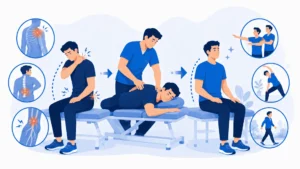
A chiropractor may be able to help address some musculoskeletal issues associated with neuropathy, such as joint stiffness, muscle tension, or movement-related discomfort.
However, neuropathy itself is a broad term for nerve damage or dysfunction.
Many forms of peripheral neuropathy develop because of conditions such as diabetes, vitamin deficiencies, medication effects, or autoimmune disorders.
These causes cannot be corrected through spinal adjustments.
Chiropractic care may therefore be considered for separate musculoskeletal concerns, but it should not replace medical diagnosis and treatment of the underlying nerve condition.
For a broader explanation, read our guide to what neuropathy is and what causes it.
Why Does the Cause of Neuropathy Matter?
Not all tingling, numbness, or nerve pain has the same cause.
Two people may experience similar symptoms but require completely different treatments.
For example:
- Diabetic neuropathy: Develops from nerve damage associated with diabetes and other metabolic factors.
- Vitamin B12 deficiency: Can interfere with nerve function and may require appropriate supplementation.
- Carpal tunnel syndrome: Involves compression of the median nerve at the wrist.
- Sciatica: Often involves irritation or compression of a spinal nerve root.
- Medication-related neuropathy: Can occur as a side effect of certain treatments, including some chemotherapy drugs.
The treatment approach depends on the diagnosis.
This is why persistent nerve symptoms should be medically evaluated rather than automatically attributed to spinal misalignment.
Can Chiropractic Care Help Neuropathy in the Feet?
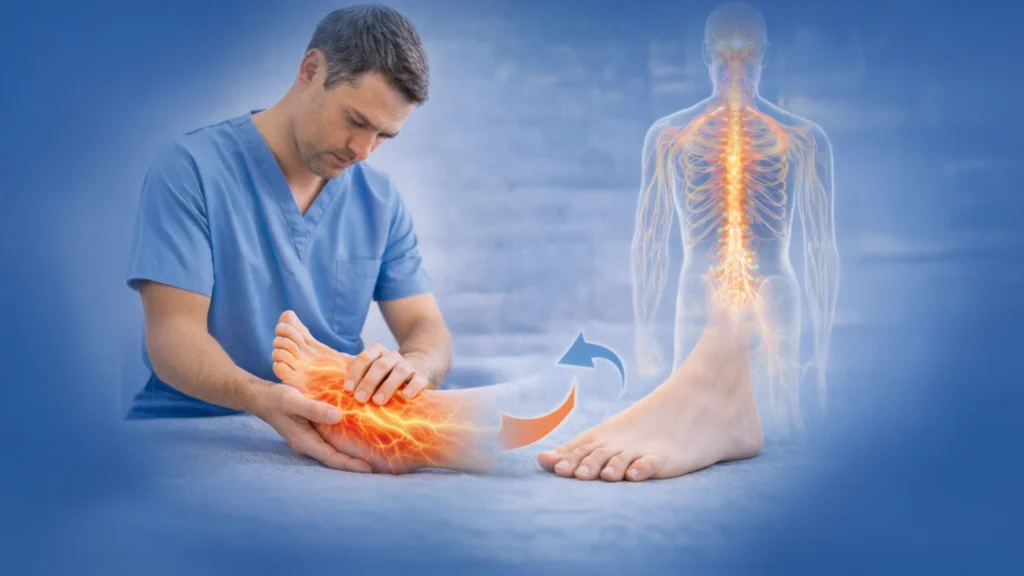
Neuropathy affecting the feet commonly causes:
- Burning or tingling sensations
- Numbness in the toes
- Reduced ability to feel temperature
- Sensitivity to touch
- Balance difficulties
- Weakness in certain cases
Many people with these symptoms look for a chiropractor for neuropathy in the feet.
However, the location of symptoms does not necessarily mean the problem originates in the spine.
For example, diabetic peripheral neuropathy commonly affects nerves in both feet because of metabolic nerve damage.
Spinal adjustments have not been shown to reverse this type of damage.
If someone also has foot, ankle, or lower-back musculoskeletal discomfort, a chiropractor may assess whether those separate issues are appropriate for conservative care.
But reduced foot sensation requires particular caution because injuries may go unnoticed.
What Can a Chiropractor Do for Someone with Neuropathy?
The role of chiropractic care depends on the patient’s diagnosis and overall health.
1. Assess Musculoskeletal Symptoms
A chiropractor may evaluate joint movement, posture, muscle tenderness, and movement-related discomfort.
This can help identify musculoskeletal problems that may coexist with neuropathy.
However, a musculoskeletal examination alone cannot determine every possible cause of peripheral nerve damage.
2. Provide Appropriate Conservative Care
If a patient has a separate joint or muscular problem, suitable conservative care may help address that particular issue.
The approach might involve movement guidance, exercises, or selected manual therapies.
The goal should be clearly defined rather than described as repairing damaged peripheral nerves.
3. Recommend Activity and Mobility Strategies
People with neuropathy may also experience reduced confidence with walking or physical activity.
Appropriate movement advice may help support general mobility.
Patients with significant weakness, sensory loss, or balance problems may benefit from physical therapy or specialist rehabilitation.
4. Recognise When Medical Referral Is Needed
A responsible healthcare professional should recognise symptoms that require medical evaluation.
These may include:
- Progressive numbness
- New or worsening muscle weakness
- Unexplained balance problems
- Significant loss of sensation
- Symptoms affecting both feet without a clear musculoskeletal explanation
Referral is particularly important when an underlying medical condition may be causing nerve damage.
Can Chiropractic Adjustments Improve Nerve Function?
Chiropractic adjustments are used primarily for certain musculoskeletal conditions.
They involve applying a controlled force to a joint.
Although some marketing claims suggest that spinal adjustments restore nerve communication throughout the body, strong clinical evidence does not establish that adjustments regenerate peripheral nerves or reverse common forms of neuropathy.
There is also no reliable evidence that routine spinal adjustments prevent diabetic neuropathy from progressing.
If symptoms are caused by a specific compressed nerve, treatment should be guided by the location and severity of compression.
Not every compressed nerve requires spinal manipulation, and some conditions may need medical or surgical treatment.
Can a Chiropractor Treat Diabetic Neuropathy?
Diabetic neuropathy develops when diabetes-related metabolic changes damage peripheral nerves.
It commonly affects the feet and lower legs.
Chiropractic adjustments are not an established treatment for reversing diabetic neuropathy.
Managing the underlying condition is essential.
Depending on individual needs, medical care may include:
- Blood glucose management
- Management of blood pressure and cholesterol
- Medication for neuropathic pain
- Regular foot examinations
- Appropriate physical activity
- Balance and strength rehabilitation
A chiropractor may help with a separate musculoskeletal complaint, but this should not replace diabetes management or neurological care.
What About Neuropathy Caused by a Pinched Nerve?
Some nerve symptoms result from compression or irritation of a particular nerve.
Examples include carpal tunnel syndrome, certain nerve entrapment conditions, and spinal nerve root irritation.
These problems can sometimes resemble peripheral neuropathy.
For example, a person with sciatica may experience shooting pain, tingling, or numbness travelling down one leg.
The treatment depends on the cause and may include exercise-based rehabilitation, activity modifications, medication, or other interventions.
Chiropractic care may be considered for certain associated musculoskeletal symptoms when clinically appropriate.
However, significant or progressive neurological deficits require medical assessment.
Learn more about sciatica and its symptoms.
Is Chiropractic Care Safe for People with Neuropathy?
Safety depends on the patient’s health, diagnosis, degree of sensory loss, and the techniques being considered.
People with neuropathy may have reduced ability to feel pain, pressure, or injury.
Some may also have balance problems or muscle weakness.
These factors can affect the suitability of manual treatment.
Extra caution may be needed when neuropathy occurs alongside conditions such as:
- Severe osteoporosis
- Significant neurological weakness
- Spinal instability
- Advanced diabetic complications
- Reduced sensation in the treatment area
A healthcare professional should review the risks and benefits of any proposed treatment.
Chiropractic care should not be described as automatically safe simply because it is non-surgical.
What Treatments Are Recommended for Peripheral Neuropathy?
Effective management usually begins with identifying the cause.
| Treatment approach | Main purpose |
| Diabetes management | Reduce the risk of further diabetes-related nerve damage |
| Treatment of vitamin deficiencies | Correct a potentially reversible cause |
| Prescription nerve-pain medication | Help manage burning, shooting, or other neuropathic pain |
| Physical therapy | Support strength, balance, and mobility |
| Foot care | Reduce the risk of unnoticed injuries |
| Medical or neurological assessment | Identify the cause and guide treatment |
| Appropriate musculoskeletal care | Address separate joint or muscle problems |
Not every treatment is necessary for every patient.
A personalised plan should reflect the diagnosis, symptoms, and overall health.
Can Neuropathy Be Reversed with Treatment?
Some forms of neuropathy may improve when their underlying causes are treated.
For example, correcting a vitamin deficiency or addressing certain nerve compression problems may allow symptoms to improve.
Other forms, including established diabetic peripheral neuropathy, may cause lasting nerve damage.
Symptom relief does not necessarily mean the nerves have healed.
Read our detailed guide: Can Neuropathy Be Reversed? Recovery, Treatment & What to Expect.
When Should You See a Doctor Instead of a Chiropractor?
If you develop persistent numbness, burning pain, unexplained weakness, or worsening balance, arrange a medical evaluation.
A primary care clinician or neurologist may assess the cause and recommend appropriate testing.
Depending on the symptoms, testing may include blood work, neurological examination, nerve conduction studies, or other investigations.
Seek emergency care if you experience sudden one-sided weakness, facial drooping, difficulty speaking, rapidly worsening weakness, or new bladder or bowel dysfunction with neurological symptoms.
These symptoms may indicate conditions requiring urgent treatment.
How to Choose a Chiropractor When You Have Neuropathy
If you are considering chiropractic care for a separate musculoskeletal concern, look for a provider who:
- Reviews your full medical history
- Asks about diabetes, medications, and neurological diagnoses
- Performs an appropriate examination
- Explains what chiropractic care can and cannot address
- Recognises when medical referral is necessary
- Avoids promising nerve regeneration or a neuropathy cure
- Coordinates with other healthcare professionals when appropriate
A clear diagnosis and realistic treatment goals are more important than claims about restoring nerve communication.
Exploring Neuropathy-Related Care in Sanford, FL
At VitalSpine Chiropractic in Sanford, FL, Dr. Michaelene Callahan, DC, provides chiropractic and musculoskeletal care.
The clinic also offers neuropathy-related services.
If you are experiencing persistent tingling, numbness, or nerve-related discomfort, identifying the cause should come first.
Medical evaluation may be necessary to determine whether your symptoms are related to diabetes, nutritional deficiencies, nerve compression, or another condition.
To discuss available services at VitalSpine, contact the clinic or call (321) 363-4727.
Frequently Asked Questions
1. Can a chiropractor fix nerve damage in the feet?
There is no strong evidence that chiropractic adjustments repair damaged peripheral nerves in the feet. Treatment should focus on identifying the cause and managing it appropriately.
2. What kind of doctor should I see for neuropathy?
A primary care clinician is often a good starting point. Depending on the cause and symptoms, you may be referred to a neurologist, endocrinologist, or another specialist.
3. Can chiropractic care help balance problems caused by neuropathy?
Chiropractic adjustments have not been established as a treatment for neuropathy-related balance impairment. Physical therapy and balance rehabilitation may be more appropriate, depending on the diagnosis.
4. Can neuropathy symptoms come from the lower back?
Some symptoms that resemble neuropathy can result from spinal nerve root irritation, such as sciatica. However, many forms of peripheral neuropathy originate outside the spine.
5. Should I stop medical treatment if I start chiropractic care?
No. Do not stop prescribed medication, diabetes treatment, or other medical care without discussing it with your treating healthcare professional. Chiropractic care should not replace necessary medical treatment.
Disclaimer
This article is for educational purposes only and does not replace professional medical advice, diagnosis, or treatment. Persistent or worsening neurological symptoms should be evaluated by a qualified healthcare professional.