
If you’ve been experiencing tingling in your feet, numbness in your hands, or a burning sensation that won’t go away, you may be wondering: Can neuropathy be reversed?
The answer depends on what is causing the nerve damage.
Some types of neuropathy can improve significantly when the underlying problem is identified and treated. Others may cause lasting nerve damage, even when symptoms become more manageable.
The important thing to understand is that improving neuropathy symptoms and reversing nerve damage are not always the same thing.
Here’s what affects nerve recovery, which types may improve, and what you can realistically expect from treatment.
Can Peripheral Neuropathy Be Reversed?
Peripheral neuropathy occurs when nerves outside the brain and spinal cord become damaged or stop functioning normally.
These nerves help control sensation, muscle movement, and certain automatic body functions.
When they are affected, you may experience:
- Tingling or pins and needles
- Numbness in your feet or hands
- Burning or shooting pain
- Muscle weakness
- Balance difficulties
- Reduced ability to feel temperature or pressure
Some forms of peripheral neuropathy are potentially reversible, particularly when the cause can be corrected before extensive nerve damage develops.
For example, neuropathy related to a vitamin deficiency may improve after the deficiency is treated.
However, long-standing diabetic neuropathy or certain inherited neuropathies may not be fully reversible.
Even when nerve damage cannot be reversed, appropriate treatment may help manage symptoms, preserve function, and reduce the risk of further complications.
For a broader explanation of nerve damage, read our guide to what neuropathy is and what causes it.
What Determines Whether Neuropathy Can Heal?
Several factors influence the possibility of recovery.
1. The Underlying Cause
Some causes of neuropathy can be treated directly.
Examples include certain nutritional deficiencies, medication-related nerve damage, and some nerve compression conditions.
Other causes may require long-term management rather than a one-time treatment.
2. How Long the Nerves Have Been Affected
Earlier diagnosis may improve the opportunity to address a treatable cause before additional nerve damage occurs.
However, recovery is not guaranteed, even when treatment begins promptly.
3. The Severity of Nerve Damage
Mild nerve dysfunction may improve more readily than severe damage involving substantial loss of nerve fibres.
A healthcare professional may use examination findings and, when appropriate, nerve testing to assess the condition.
4. Overall Health
Conditions such as diabetes, kidney disease, nutritional deficiencies, and excessive alcohol use can affect nerve health.
Managing these factors may help protect remaining nerve function.
5. The Type of Nerves Affected
Sensory, motor, and autonomic nerves perform different functions.
The pattern of nerve involvement can influence symptoms, treatment options, and prognosis.
Can Diabetic Neuropathy Be Reversed?
Diabetes is one of the most common causes of peripheral neuropathy.
Over time, elevated blood glucose and other metabolic factors can damage peripheral nerves.
Diabetic neuropathy often begins in the feet and may cause numbness, tingling, burning pain, or reduced sensation.
Established diabetic peripheral neuropathy is generally not considered fully reversible.
However, managing blood glucose and other cardiovascular risk factors can help reduce the risk of progression.
Treatment may also include:
- Appropriate diabetes management
- Medication for painful neuropathy
- Regular foot examinations
- Suitable physical activity
- Balance and strength exercises
- Monitoring for foot injuries
People with reduced foot sensation should check their feet regularly because minor wounds may go unnoticed.
If you have diabetes and develop new numbness or burning pain, discuss it with your diabetes care team.
Can Alcoholic Neuropathy Be Reversed?
Long-term heavy alcohol consumption can damage peripheral nerves.
Alcohol-related neuropathy may cause burning pain, numbness, weakness, or balance difficulties, often beginning in the feet.
Stopping alcohol consumption is an important step in preventing further alcohol-related nerve damage.
Some people experience gradual improvement after sustained abstinence and treatment of nutritional deficiencies.
However, severe or long-standing damage may be permanent.
Recovery may require:
- Medical support for alcohol cessation
- Assessment for nutritional deficiencies
- Appropriate supplementation when indicated
- Physical rehabilitation
- Treatment for neuropathic pain
Important: People who are physically dependent on alcohol should seek medical advice before stopping abruptly, because withdrawal can be dangerous.
Can Neuropathy From Vitamin Deficiency Be Reversed?
Certain vitamin deficiencies can interfere with normal nerve function.
Vitamin B12 deficiency is a recognised cause of neurological symptoms, including numbness, tingling, and balance problems.
Treatment may improve symptoms and prevent further damage, particularly when the deficiency is identified early.
However, neurological recovery may be incomplete if the deficiency has been severe or prolonged.
It is also important to avoid taking high-dose vitamin supplements without medical guidance.
Excessive vitamin B6 intake, for example, can cause neuropathy.
A healthcare professional can recommend testing and appropriate treatment based on your individual needs.
Can Neuropathy Caused by a Pinched Nerve Improve?
Some nerve symptoms develop because a nerve is compressed or irritated.
Examples include carpal tunnel syndrome and certain other nerve entrapment conditions.
In these situations, reducing the pressure on the affected nerve may allow symptoms to improve.
Treatment depends on the location and severity of the problem and may include:
- Activity modifications
- Splinting or bracing
- Rehabilitation exercises
- Medication when appropriate
- Surgery in selected cases
However, a pinched spinal nerve and widespread peripheral neuropathy are not the same condition.
For example, sciatica may cause symptoms travelling into one leg, while diabetic peripheral neuropathy commonly affects both feet.
Correctly identifying the source of symptoms is essential.
How Long Does Neuropathy Take to Improve?
There is no single recovery timeline for peripheral neuropathy.
Some people experience improvement over weeks or months after a treatable cause is corrected.
Others may need many months to notice meaningful changes.
Certain forms of neuropathy remain stable, while others progress despite treatment.
The timeline depends on the underlying cause, severity of damage, and individual response.
It is important to avoid treatment plans that promise nerve regeneration or complete recovery within a fixed number of sessions.
A healthcare professional can help establish realistic goals and monitor progress.
What Are the Signs That Neuropathy Is Improving?
When neuropathy improves, changes may be gradual.
Possible signs include:
- Less frequent burning or tingling
- Reduced pain intensity
- Improved balance
- Better muscle strength
- Greater comfort during everyday activities
- Improved ability to perform routine tasks
However, symptom relief does not always mean damaged nerves have regenerated.
For example, medication may reduce nerve pain without reversing the underlying nerve injury.
Similarly, changes in tingling sensations do not reliably indicate that nerves are healing.
A clinician may assess recovery through physical examination, functional changes, and appropriate testing when needed.
Can Neuropathy Get Worse Even With Treatment?
Yes.
Some forms of neuropathy can progress despite treatment, particularly when the underlying disease remains active or nerve damage is advanced.
However, worsening symptoms do not necessarily mean that every treatment has failed.
A change in symptoms may indicate:
- Progression of the underlying condition
- A new or additional cause of nerve damage
- Inadequate control of a contributing medical condition
- Medication-related effects
- A need to reconsider the diagnosis
New or progressive weakness, rapidly worsening numbness, or increasing balance problems should be medically evaluated.
What Treatments Can Help Neuropathy?
The most appropriate treatment depends on the cause.
Treating the Underlying Condition
Examples include managing diabetes, correcting confirmed vitamin deficiencies, reviewing potentially harmful medications, or treating certain inflammatory conditions.
This is often the most important part of neuropathy management.
Medication for Nerve Pain
Certain prescription medications can reduce neuropathic pain.
Depending on the diagnosis, a clinician may consider medications such as duloxetine, pregabalin, or gabapentin.
These treatments may improve comfort but do not necessarily repair damaged nerves.
Physical Therapy and Exercise
Appropriate rehabilitation may help improve strength, balance, walking ability, and confidence with movement.
Exercise can also support general health and management of contributing conditions.
Foot Care and Injury Prevention
People with reduced sensation in their feet may benefit from regular foot checks, appropriate footwear, and professional foot care.
This is especially important for people with diabetes.
Supportive Musculoskeletal Care
Some patients with neuropathy also have joint stiffness, muscular discomfort, or mobility limitations.
Supportive care may help address these associated problems.
However, chiropractic adjustments have not been established as a treatment that reverses diabetic, alcohol-related, or other common forms of peripheral neuropathy.
A medical assessment remains important for identifying and treating the underlying nerve condition.
Can Lifestyle Changes Help Neuropathy Recovery?
Lifestyle changes may support nerve health and help manage certain underlying conditions.
Useful steps can include:
- Managing blood glucose when you have diabetes
- Avoiding excessive alcohol use
- Eating a balanced diet
- Following an appropriate exercise programme
- Maintaining a healthy sleep routine
- Avoiding unnecessary high-dose supplements
- Checking feet regularly when sensation is reduced
These measures may help protect function, but they cannot guarantee that existing nerve damage will reverse.
When Should You Seek Medical Attention?
Arrange a medical evaluation if you develop:
- Persistent numbness or tingling
- Burning pain in your feet or hands
- Gradually worsening weakness
- Balance difficulties
- Repeated falls
- Reduced sensation that affects daily activities
- Foot wounds that are slow to heal
Seek emergency medical care for sudden one-sided weakness, facial drooping, difficulty speaking, or other possible stroke symptoms.
Rapidly progressing weakness, breathing difficulties, or severe new neurological symptoms also require urgent attention.
Neuropathy Support in Sanford, FL
If you’re experiencing persistent nerve-related symptoms, understanding the underlying cause is the first step toward appropriate care.
At VitalSpine Chiropractic in Sanford, FL, Dr. Michaelene Callahan, DC, offers chiropractic and musculoskeletal services.
Because peripheral neuropathy can result from diabetes, nutritional deficiencies, medications, and other medical conditions, appropriate medical assessment and coordination may be needed before considering supportive treatment.
To discuss available services, contact VitalSpine Chiropractic.
Frequently Asked Questions
1. Can neuropathy go away on its own?
Some temporary nerve symptoms may improve without specific treatment, but persistent neuropathy should be evaluated. Improvement depends on the underlying cause, and delaying diagnosis may allow treatable problems to progress.
2. Can damaged nerves grow back?
Peripheral nerves have some capacity to regenerate under certain circumstances. However, regeneration is often slow and incomplete, and recovery depends on the type and extent of damage.
3. Is neuropathy worse at night?
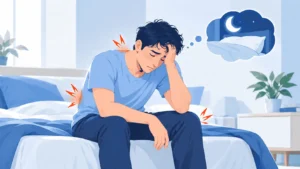
Some people notice burning, tingling, or nerve pain more strongly at night. This does not necessarily mean the underlying nerve damage is progressing.
4. Can exercise reverse neuropathy?
Exercise may improve strength, balance, mobility, and general health, but it has not been established as a way to reverse all forms of peripheral nerve damage.
5. Can neuropathy return after symptoms improve?
Yes. Symptoms may return if the underlying condition persists, progresses, or recurs. Ongoing management and follow-up may be important.
Disclaimer
This article is for general educational purposes and does not replace professional medical advice, diagnosis, or treatment. Neuropathy has many possible causes, and recovery varies by individual. Persistent or worsening neurological symptoms should be assessed by a qualified healthcare professional.