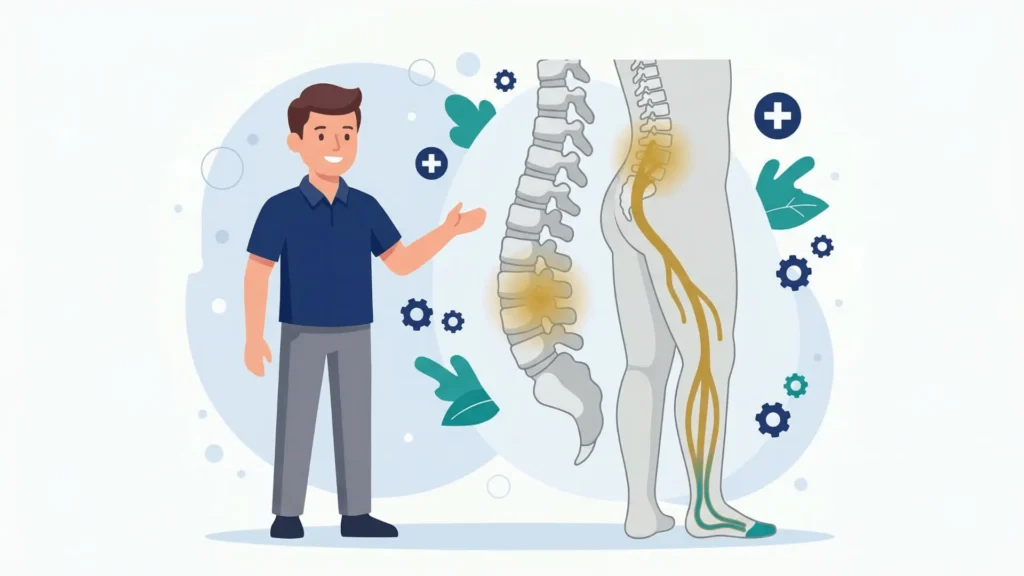
Sciatica is a common condition that affects the sciatic nerve, which runs from the lower back down through the legs. While many cases are temporary and respond well to conservative care, untreated or severe sciatica can progress to advanced stages. Understanding the last stages of sciatica is crucial for timely intervention and preventing long-term nerve damage.
At Vitalspine Chiropractic in Sanford, FL, we provide comprehensive sciatica pain chiropractic care designed to relieve discomfort, improve mobility, and restore function without surgery.
Understanding Sciatica and Its Progression
Sciatica occurs when the sciatic nerve is compressed or irritated. Common causes include:
- Herniated discs or spinal degeneration (advanced spinal decompression)
- Spinal stenosis (narrowing of the spinal canal)
- Muscle imbalances or piriformis syndrome
- Inflammatory conditions affecting nerve roots
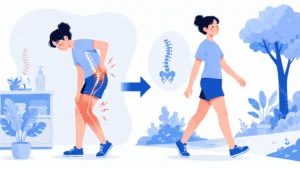
Symptoms often begin gradually, with mild tingling, numbness, or occasional leg pain. Without proper care, the condition can progress into more severe stages, potentially affecting mobility and quality of life.
Common Symptoms in the Last Stages of Sciatica
The last stages of sciatica are characterized by persistent and severe symptoms, which may include:
Chronic, Severe Pain
Pain radiates from the lower back into the buttocks, thighs, and legs, often described as sharp, burning, or shooting.
Numbness and Tingling
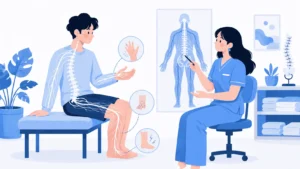
Loss of sensation in the legs, feet, or toes. This can increase the risk of injuries as patients may not feel cuts or bruises.
Muscle Weakness
Progressive weakness in the legs may occur, sometimes causing foot drop or difficulty lifting the toes.
Reduced Mobility
Difficulty walking, climbing stairs, or standing for long periods due to pain and weakness.
Loss of Bladder or Bowel Control
Rare but serious symptom, indicating potential nerve compression requiring immediate medical attention.
Persistent Inflammation
Swelling and tenderness around the lower back or buttocks may accompany nerve pain.
Sleep Disturbances
Severe discomfort can interfere with restful sleep, further affecting overall health and recovery.
Risk Factors and Causes of Advanced Sciatica
Certain conditions increase the likelihood of sciatica progressing to later stages:
- Untreated herniated or bulging discs
- Degenerative spine conditions (osteoarthritis)
- Poor posture and sedentary lifestyle
- Repetitive heavy lifting or physical strain
- Delayed medical or chiropractic care (chiropractic care)
Early intervention is key to preventing sciatica from reaching advanced stages and minimizing the risk of permanent nerve damage.
How Chiropractic Care Can Help
Many patients seek alternatives to surgery for sciatica relief. Sciatica pain chiropractic care focuses on restoring spinal alignment, reducing nerve compression, and improving overall mobility.
Techniques Used
Spinal Adjustments: Realign vertebrae to reduce nerve pressure and improve communication.
Therapeutic Exercises: Strengthen core and leg muscles to support the spine and reduce recurrence.
Soft Tissue Therapy: Massage and myofascial release to relieve tension and inflammation (massage therapy).
Lifestyle Recommendations: Ergonomic guidance, posture correction, and activity modification to support recovery.
At Vitalspine Chiropractic, our goal is to manage pain, restore function, and improve quality of life while minimizing the need for invasive procedures.
Complementary Supportive Therapies
In addition to chiropractic care, supportive therapies can enhance recovery:
- Sciatica Exercises: Stretching and strengthening routines targeting the lower back, hips, and hamstrings.
- Physical Therapy: Supervised exercises to improve flexibility and reduce nerve pressure.
- Nutritional Support: Vitamins and anti-inflammatory nutrition to support nerve health. Common supportive vitamins include B-complex, magnesium, and vitamin D.
- Postural Training: Educating patients on proper body mechanics to prevent recurrence.
When to Seek Immediate Medical Attention
Certain symptoms in the later stages of sciatica require urgent care:
- Loss of bladder or bowel control
- Severe, unrelenting leg pain
- Rapidly worsening muscle weakness
- Numbness in the saddle area (inner thighs or buttocks)
If these symptoms appear, contact a healthcare professional immediately, as they may indicate cauda equina syndrome or severe nerve compression.
Meet Dr. Michaelene Callahan, DC
Dr. Michaelene Callahan leads Vitalspine Chiropractic with over 24 years of experience in chiropractic care and functional wellness. She specializes in sciatica pain chiropractic care and has helped numerous patients manage chronic pain, improve mobility, and avoid surgical interventions.
Dr. Callahan’s approach focuses on identifying the root cause of discomfort, whether it is spinal misalignment, muscle imbalance, or nerve compression. By combining spinal adjustments, supportive exercises, and lifestyle guidance, she creates personalized treatment plans for long-term relief.
Patients benefit from her expertise, compassionate care, and dedication to improving spinal and nerve health. Her leadership makes Vitalspine Chiropractic one of the most trusted chiropractic clinics in Sanford, FL. Read patient reviews here.

Take the first step toward relieving sciatica pain and improving mobility:
Book Appointment with our Sanford chiropractic team today.
Have questions or need more information?
Contact Us to learn how chiropractic care can support your recovery.
Frequently Asked Questions (FAQs)
What are the last stages of sciatica?
Severe, chronic pain, numbness, muscle weakness, reduced mobility, and in rare cases, loss of bladder or bowel control.
Can sciatica go away on its own?
Mild cases often improve with rest, exercise, and conservative care. Advanced stages usually require professional intervention.
How do chiropractors treat sciatica?
Through spinal adjustments, soft tissue therapy, targeted exercises, and lifestyle modifications.
What exercises help with sciatica?
Stretching the hamstrings, piriformis, and lower back; strengthening the core and glutes.
Can sciatica be cured permanently?
While underlying causes like disc degeneration may persist, proper care can manage pain, improve function, and reduce recurrence.
When is surgery needed for sciatica?
Only in cases of severe nerve compression, loss of bladder/bowel function, or unmanageable pain unresponsive to conservative care.
Are vitamins helpful for sciatica pain?
Yes, certain vitamins like B-complex, magnesium, and vitamin D may support nerve health.
How long does chiropractic treatment take for sciatica?
It varies by patient and severity. Many notice improvement within a few weeks of consistent treatment.
Is chiropractic care safe for advanced sciatica?
Yes, when performed by an experienced chiropractor, care is safe and tailored to the patient’s condition.
Can chiropractic care prevent sciatica recurrence?
Yes, regular adjustments, exercises, and postural guidance reduce the likelihood of future flare-ups.
Disclaimer
This blog is for informational purposes only and does not constitute medical advice. Individual results may vary. Always consult a qualified healthcare provider or chiropractor for evaluation and treatment of sciatica symptoms or nerve-related conditions.