

Do you wake up feeling tired even after a full night’s sleep? Maybe your body feels heavy, your muscles ache, or simple tasks like climbing stairs and getting through work seem harder than usual.
You might find yourself wondering, “Why am I tired all the time, even when I haven’t done much?”
Feeling exhausted now and then is normal. But when tiredness becomes part of your everyday life, there may be more going on than a lack of sleep.
Ongoing pain, muscle tension, poor sleep, and certain health conditions can all leave you feeling drained. Sometimes, fatigue has several causes at once.
At VitalSpine Chiropractic in Sanford, FL, we understand how frustrating it can be when physical discomfort begins affecting your energy and daily activities. Understanding what may be contributing to your symptoms is the first step toward finding appropriate care.
Can Pain Make You Tired All the Time?
Yes. Pain can make you tired, especially when it continues for weeks or months.
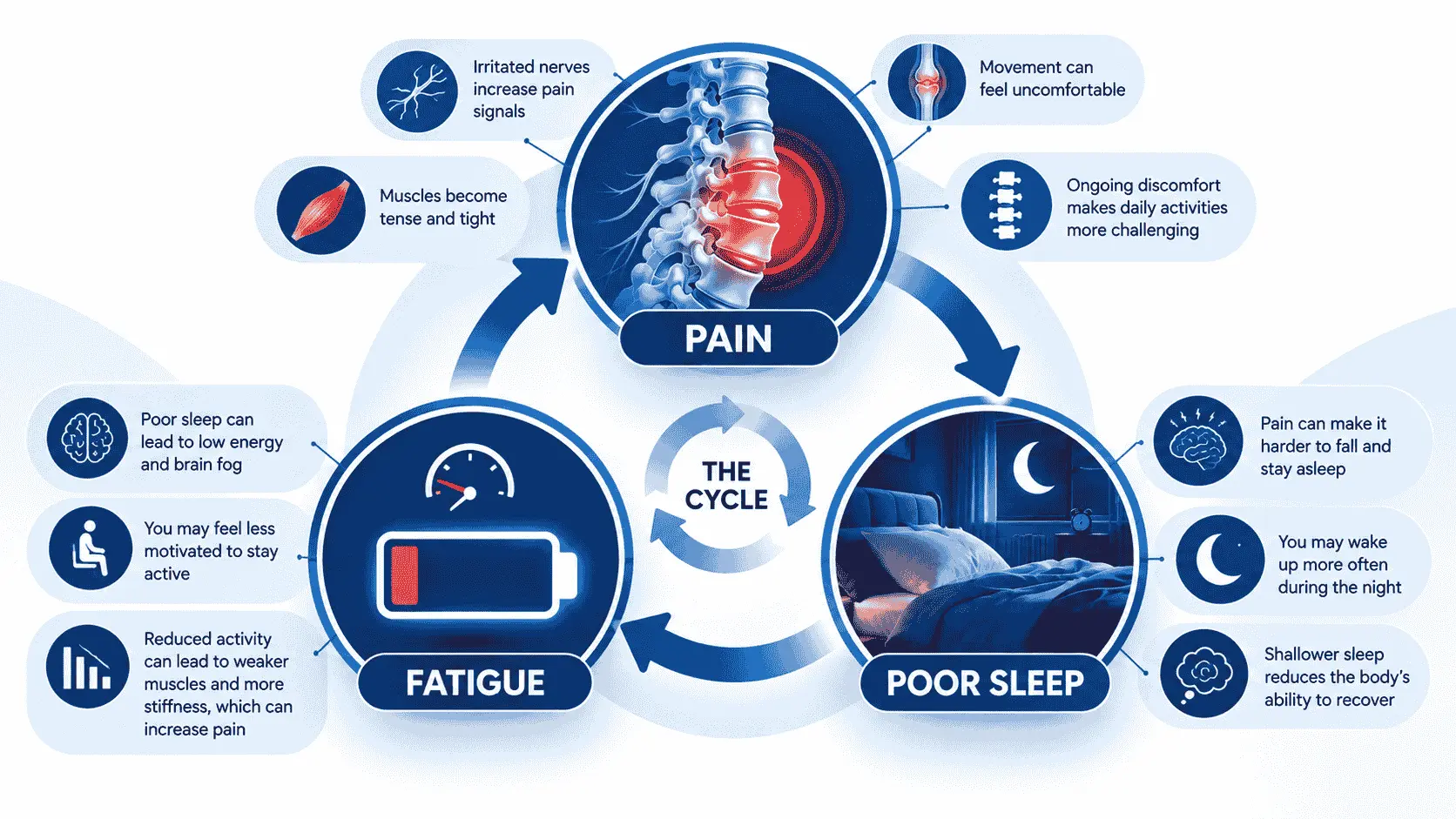
Think about how you feel after a night of poor sleep. Now imagine dealing with that tiredness while also managing back pain, neck stiffness, or aching muscles throughout the day.
Persistent pain can interrupt sleep, make physical activity more difficult, and increase emotional stress. Over time, these problems may contribute to fatigue.
You might notice that you’re:
- Waking up tired despite spending enough time in bed
- Feeling physically drained after everyday activities
- Having trouble concentrating at work
- Becoming more sensitive to discomfort
- Feeling tired and irritable more often than usual
However, pain isn’t the only possible explanation. Fatigue can also be associated with anemia, thyroid problems, sleep apnea, medication effects, depression, infections, and other medical conditions.
That’s why ongoing or unexplained exhaustion deserves a proper medical evaluation.
What Are the 7 Pain-Related Causes of Constant Fatigue?
If you’re experiencing muscle pain, tiredness, and fatigue together, several conditions and everyday factors could be contributing.

1. Chronic Back Pain
Back pain doesn’t just affect how comfortably you move. It can also interfere with your sleep, exercise, and daily routine.
You may spend the day adjusting your posture, avoiding certain movements, or taking frequent breaks because your back hurts.
By bedtime, you’re already exhausted. But finding a comfortable sleeping position can be difficult, leaving you feeling tired again the next morning.
This can create a frustrating cycle: pain affects sleep, and poor sleep makes it harder to cope with pain.
If back discomfort has become part of your daily routine, learning about chiropractic care for back pain may help you understand some of the available options for musculoskeletal symptoms.
2. Neck Pain and Muscle Tension
Have you ever finished a long day at your computer feeling like your shoulders are carrying extra weight?
Neck pain and muscle tension can make ordinary activities uncomfortable. Spending hours in one position may also leave your muscles feeling stiff or sore.
The discomfort itself can be tiring, particularly when it affects your ability to relax or sleep comfortably.
Some people also experience headaches alongside neck pain, which may add to the feeling of being worn out.
If neck stiffness keeps returning, it’s worth considering whether your workstation, daily habits, or an underlying musculoskeletal problem may be contributing.
3. Poor Sleep Caused by Pain
You may be sleeping for seven or eight hours, but are you actually sleeping well?
When your back, neck, or joints hurt, you might wake up several times during the night without fully realizing it.
You may also struggle to find a comfortable position or wake up earlier than planned.
Over time, interrupted sleep can leave you feeling exhausted during the day.
Poor sleep can also increase sensitivity to pain, making the next night even more uncomfortable.
If you’re regularly waking up tired, a healthcare professional can help determine whether pain, a sleep disorder, or another health issue is affecting your rest.
4. Fibromyalgia and Widespread Muscle Pain
Sometimes, tiredness comes with aching muscles in several parts of the body.
Fibromyalgia is a chronic condition associated with widespread pain, fatigue, sleep difficulties, and sometimes problems with concentration or memory.
People with fibromyalgia may describe feeling exhausted even after resting.
You might also notice that activities you previously managed easily now require more effort.
Because these symptoms can overlap with other medical conditions, fibromyalgia should be assessed by an appropriate healthcare professional rather than diagnosed based on fatigue alone.
Treatment often involves a combination of education, suitable physical activity, sleep management, and other individualized approaches.
5. Joint Pain and Arthritis
When your knees, hips, or other joints hurt, even simple activities can start feeling like hard work.
You may avoid walking, climbing stairs, or exercising because movement causes discomfort.
Over time, reduced activity can affect your strength and physical conditioning, making everyday tasks feel more demanding.
Inflammatory forms of arthritis, such as rheumatoid arthritis, can also cause significant fatigue because of the underlying inflammatory disease process.
If your joint pain comes with persistent swelling, morning stiffness, or unusual exhaustion, medical assessment is important.
6. Nerve-Related Pain
Nerve pain can feel different from ordinary muscle soreness.
Instead of a dull ache, you might experience burning, tingling, shooting pain, or numbness in your arms, hands, legs, or feet.
These symptoms can make walking, sleeping, or relaxing more difficult.
Conditions such as sciatica or peripheral neuropathy may contribute to ongoing discomfort and disrupted sleep.
However, nerve pain and fatigue can sometimes share an underlying medical cause, such as diabetes or another health condition.
If you’re experiencing these symptoms, our guide on what neuropathy is and what causes it explains some of the possible reasons.
Not every type of nerve pain can be treated with chiropractic care, so identifying the cause is essential.
7. Stress and Ongoing Pain
Living with pain can be mentally exhausting, too.
Maybe you’re worried about whether your symptoms will improve. Perhaps you’ve stopped enjoying certain activities because you’re afraid they’ll make the pain worse.
These concerns can affect your mood, concentration, and sleep.
When stress and pain continue together, you may start feeling tired and irritable even on days when you haven’t been particularly active.
This doesn’t mean your pain is imaginary or simply caused by stress.
Pain and emotional well-being can influence each other, and addressing both may be an important part of managing persistent symptoms.
Why Does My Body Feel Weak or Heavy?
Sometimes, fatigue doesn’t feel like ordinary sleepiness.
Instead, you might say, “My whole body feels heavy,” or “I don’t have the strength to do anything today.”
There are several possible explanations.
Poor sleep, physical inactivity, dehydration, and ongoing pain can leave you feeling physically drained. Certain medications and medical conditions can also contribute.
But there’s an important difference between feeling weak and having actual muscle weakness.
When you’re fatigued, your muscles may feel tired, but you can still perform normal movements.
True muscle weakness means you’re physically unable to do something you could previously do, such as lifting your foot, gripping an object, or rising from a chair.
New, sudden, or worsening weakness should be medically evaluated. Sudden weakness affecting one side of the body, particularly with facial drooping or speech difficulty, is a medical emergency.
Why Do I Feel So Exhausted All the Time Even After Sleeping?
If you’re getting enough hours of sleep but still waking up exhausted, the quality of your sleep may be part of the problem.
Pain can interrupt sleep, but so can sleep apnea, stress, medication effects, and other health conditions.
Your body also needs enough nutrition, hydration, and regular physical activity to function well.
However, there’s no single lifestyle change that fixes every cause of fatigue.
If your tiredness lasts for several weeks, keeps getting worse, or interferes with everyday life, talk with a healthcare professional. They may review your symptoms, medications, sleep habits, and medical history and recommend tests when appropriate.
What Can Help With Pain-Related Fatigue?
The best approach depends on what’s causing both the pain and the tiredness.
A few habits may help you feel more comfortable while you work toward identifying the underlying problem.
Keep a regular sleep routine. Try to go to bed and wake up at similar times each day. If pain repeatedly wakes you, mention it during your medical appointment.
Stay gently active. Comfortable walking, stretching, or other suitable activities may help maintain strength and mobility. Avoid pushing through severe pain or exhaustion.
Take breaks from prolonged sitting. If you spend hours at a desk, changing positions and moving regularly may help reduce stiffness.
Manage stress. Relaxation exercises, breathing techniques, and enjoyable activities may help with the emotional strain of persistent pain.
Get persistent symptoms checked. If your fatigue is unexplained, treating muscle tension alone may not address the real cause.
Can a Chiropractor Help With Pain-Related Fatigue?
If you’re searching for a chiropractor for fatigue, it’s important to understand what chiropractic care can and cannot do.
Chiropractic treatment is not an established cure for chronic fatigue, anemia, thyroid disorders, sleep apnea, or other medical causes of exhaustion.
However, if you’re dealing with certain musculoskeletal problems, such as mechanical back or neck pain, appropriate chiropractic care may help manage discomfort and improve movement.
For some patients, feeling more comfortable may also make everyday activities easier.
That doesn’t mean chiropractic adjustments directly increase energy levels or treat the underlying cause of fatigue.
A qualified chiropractor should assess whether your symptoms are suitable for musculoskeletal care and recommend medical evaluation when necessary.
When Should You See a Doctor About Constant Fatigue?
Occasional tiredness is common. But unexplained exhaustion that continues or begins affecting your daily life shouldn’t be ignored.
Schedule a medical appointment if you experience:
- Fatigue that lasts several weeks without a clear reason
- Ongoing muscle pain with unusual tiredness
- Persistent joint swelling or stiffness
- Unexplained weight loss or fever
- Numbness, tingling, or worsening weakness
- Sleep problems that leave you exhausted every morning
Seek emergency care for sudden one-sided weakness, chest pain, severe shortness of breath, fainting, or other serious symptoms.
A medical evaluation can help identify whether your fatigue is related to pain, sleep problems, medication effects, or another condition.
Looking for Chiropractic Care in Sanford, FL?
When you’re dealing with pain and constant tiredness, even simple activities can feel more difficult than they should.
At VitalSpine Chiropractic in Sanford, FL, Dr. Michaelene Callahan, DC, provides personalized chiropractic care focused on spinal health, mobility, and musculoskeletal function.
With more than 20 years of chiropractic experience, Dr. Callahan works with patients experiencing back pain, neck discomfort, and other musculoskeletal concerns.
If physical discomfort is affecting your movement or daily activities, an evaluation can help determine whether chiropractic care may be appropriate.
For persistent or unexplained fatigue, medical assessment remains important, even if you’re also receiving chiropractic treatment.
Ready to discuss your back, neck, or muscle discomfort?
Contact VitalSpine Chiropractic to schedule a consultation in Sanford, FL.
Final Thoughts
If you’ve been asking yourself, “Why am I tired all the time?”, don’t assume you’re simply not getting enough rest.
Ongoing pain can affect your sleep, movement, and overall well-being. But constant fatigue can also have medical causes that need attention.
Paying attention to your symptoms, getting an appropriate evaluation, and addressing the underlying problem can help you make informed decisions about your health.
Frequently Asked Questions
1. Can dehydration cause body aches and fatigue?
Yes. Dehydration can make you feel tired, weak, dizzy, or achy. Drinking enough fluids may help, but persistent symptoms should be checked by a healthcare professional.
2. What blood tests can help find the cause of constant fatigue?
Depending on your symptoms, a doctor may recommend a complete blood count (CBC), thyroid tests, blood sugar testing, or checks for iron and vitamin deficiencies.
3. Why do I feel exhausted after doing simple activities?
Poor sleep, reduced physical fitness, anemia, and other health conditions can make everyday tasks feel exhausting. If even light activity causes unusual or prolonged exhaustion, speak with a healthcare professional.
4. Can medications make you feel tired and weak?
Yes. Some allergy medicines, pain medications, antidepressants, and blood pressure medicines can cause tiredness. Don’t stop prescribed medication without speaking to your healthcare provider.
5. How can I tell the difference between normal tiredness and chronic fatigue?
Normal tiredness usually improves with adequate rest. Persistent fatigue may continue despite sleep and interfere with daily activities. If it lasts several weeks or keeps getting worse, arrange a medical evaluation.
Medical References
- NHS — Tiredness and Fatigue
- CDC — ME/CFS Symptoms
- NIAMS — Fibromyalgia
- NICE — Low Back Pain and Sciatica Recommendations
Medical Disclaimer: This article is for educational purposes only and is not a substitute for professional medical advice, diagnosis, or treatment. Persistent or unexplained fatigue should be evaluated by a qualified healthcare professional.


