
Introduction
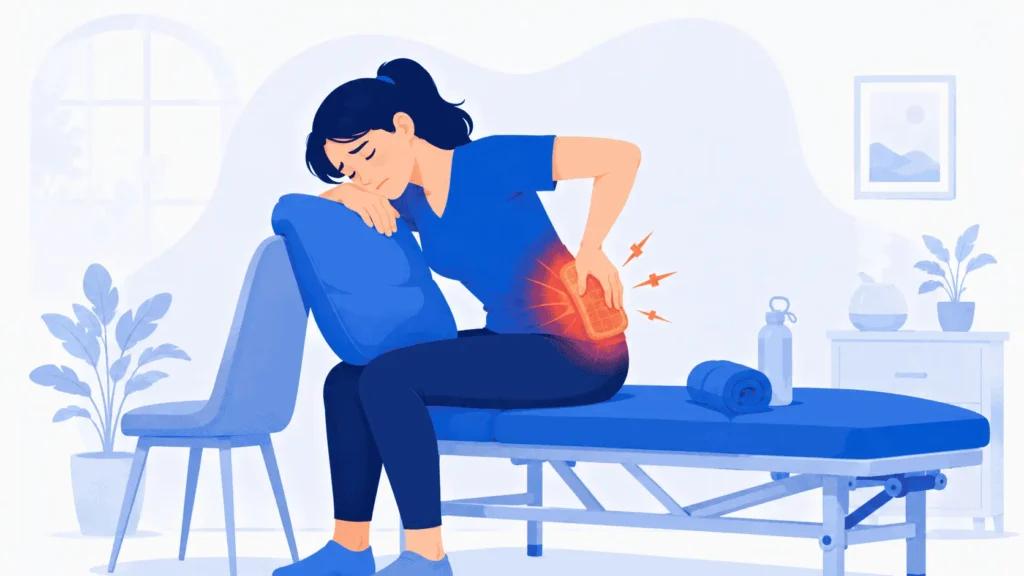
Sudden severe back pain can stop you in your tracks, making it difficult to walk, stand, sit, sleep, or complete everyday activities. Whether it begins after lifting something heavy, exercising, standing for long periods, or seemingly out of nowhere, intense back pain should never be ignored.
The best way to manage sudden severe back pain is to stay gently active, avoid prolonged bed rest, apply ice during the first 48 hours, improve your posture, avoid heavy lifting, and seek professional care if the pain persists or worsens. Taking the right steps early can help reduce inflammation, relieve discomfort, and support faster recovery while preventing the condition from becoming chronic.
At Vitalspine Chiropractic in Sanford, FL, we help patients find natural, non-surgical solutions for back pain through personalized chiropractic care. If you’re searching for a chiropractor for lower back pain, chiropractor for back pain near me, or chiropractic care for back pain in Sanford, FL, this guide shares nine practical, chiropractor-recommended tips to help you manage sudden severe back pain, improve mobility, and know when it’s time to seek professional treatment.
9 Tips to Manage Sudden Severe Back Pain
Small changes can make a big difference when managing sudden back pain. These chiropractor-recommended tips may help reduce discomfort while supporting the body’s natural healing process.
1. Stay Active, But Avoid Overdoing It
When sudden severe back pain strikes, your first instinct may be to stay in bed until the pain goes away. While short periods of rest can help during the first day, prolonged bed rest often makes the problem worse by causing your muscles to weaken and your joints to become stiff. Gentle movement keeps your spine supported and encourages the body’s natural healing process.
Why It Helps
Light activity improves blood circulation, reduces stiffness, keeps your muscles engaged, and helps prevent the loss of flexibility that often occurs after an injury.
Best Practices
- Take short walks every 30–60 minutes.
- Change positions frequently throughout the day.
- Perform gentle movements that do not increase your pain.
- Keep daily activities light until your symptoms improve.
- Listen to your body and stop any activity that causes sharp pain.
Avoid
- Staying in bed for several days.
- Sitting or standing in one position for too long.
- Returning to strenuous exercise too soon.
2. Apply Ice First, Then Use Heat
Using the right therapy at the right time can significantly reduce discomfort. During the first 24–48 hours after sudden back pain begins, ice is usually the best option because it helps control inflammation. Once swelling decreases, heat therapy can relax tight muscles and improve circulation.
Why It Helps
Cold therapy helps reduce swelling and inflammation, while heat increases blood flow to tight muscles, promoting relaxation and healing.
Best Practices
- Apply an ice pack for 15–20 minutes several times a day during the first two days.
- Wrap the ice pack in a towel to protect your skin.
- After 48 hours, switch to a heating pad or warm compress.
- Use moderate temperatures for both heat and cold therapy.
- Alternate between heat and gentle stretching if recommended by your healthcare provider.
Avoid
- Sleeping with a heating pad.
- Applying ice directly to bare skin.
- Using heat immediately after a new injury with visible swelling.
3. Improve Your Posture Throughout the Day
Poor posture is one of the leading contributors to both sudden and recurring back pain. Slouching while sitting, looking down at your phone, or standing unevenly places extra pressure on your spine and surrounding muscles. Improving your posture can relieve stress on your back and support faster recovery.
Why It Helps
Maintaining proper spinal alignment reduces unnecessary strain on the muscles, ligaments, and joints, allowing irritated tissues to heal more efficiently.
Best Practices
- Sit with both feet flat on the floor.
- Keep your shoulders relaxed and pulled slightly back.
- Position computer screens at eye level.
- Use lumbar support when sitting for extended periods.
- Stand with your weight evenly distributed on both feet.
Avoid
- Slouching while working or watching television.
- Crossing your legs for long periods.
- Looking down at your phone for extended periods.
4. Stretch Gently to Reduce Stiffness
When your back muscles tighten after an injury, movement becomes painful and limited. Gentle stretching can help improve flexibility, reduce muscle tension, and restore mobility without placing excessive stress on your spine.
Why It Helps
Stretching increases blood flow to tight muscles, improves flexibility, and helps relieve stiffness that often accompanies severe lower back pain.
Safe Stretches to Try
- Knee-to-chest stretch
- Cat-Cow stretch
- Pelvic tilts
- Child’s Pose
- Hamstring stretches
- Gentle spinal mobility exercises
Remember
- Move slowly and never force a stretch.
- Stop immediately if pain becomes worse.
- Breathe deeply throughout each movement.
5. Avoid Heavy Lifting and Sudden Twisting Movements
One of the quickest ways to aggravate a back injury is by lifting something heavy or twisting your body awkwardly. Even everyday activities such as carrying groceries or picking up children can worsen inflammation if your back has not healed.
Why It Helps
Giving your spine time to recover reduces additional strain on injured muscles, discs, and spinal joints while lowering the risk of further injury.
Lift Safely
- Bend your knees instead of your back.
- Hold objects close to your body.
- Avoid twisting while lifting.
- Ask someone for help with heavy objects.
- Break large loads into smaller ones whenever possible.
Avoid
- Heavy gym workouts.
- Sudden twisting motions.
- Lifting objects above shoulder height.
6. Sleep in a Position That Supports Your Spine
Quality sleep plays a major role in healing, but the wrong sleeping position can increase pressure on your lower back and make pain worse. Proper spinal support while sleeping helps muscles relax and reduces stress on painful joints.
Why It Helps
Keeping your spine aligned overnight minimizes muscle tension, reduces pressure on the discs, and allows damaged tissues to recover.
Better Sleeping Positions
- Sleep on your side with a pillow between your knees.
- If sleeping on your back, place a pillow under your knees.
- Choose a supportive mattress that maintains spinal alignment.
- Use a pillow that supports your neck without pushing it forward.
Avoid
- Sleeping on your stomach whenever possible.
- Very soft mattresses that allow your body to sink excessively.
- Thick pillows that strain your neck.
7. Strengthen Your Core After the Pain Begins to Improve
Your abdominal and core muscles act as a natural support system for your spine. Once your acute pain begins to settle, strengthening these muscles can reduce pressure on your back and lower the risk of future injuries.
Why It Helps
A stronger core provides greater stability for the spine, improves posture, and helps distribute weight more evenly during everyday activities.
Beginner-Friendly Exercises
- Pelvic tilts
- Bird Dog exercise
- Modified plank
- Glute bridges
- Dead Bug exercise
- Gentle core activation exercises
Important Tip
Always begin strengthening exercises only after severe pain has improved or under the guidance of your chiropractor or healthcare provider.
8. Know When to Visit a Chiropractor
Many cases of sudden severe back pain involve spinal joint dysfunction, muscle imbalances, or nerve irritation that will not fully resolve without professional care. Early chiropractic treatment can help address the root cause before the condition becomes chronic.
Why It Helps
A chiropractor evaluates how your spine, muscles, and nervous system are functioning and creates a personalized treatment plan to reduce pain naturally.
Chiropractic Care May Include
- Chiropractic adjustments
- Soft tissue therapy
- Corrective exercises
- Postural assessments
- Lifestyle recommendations
- Non-surgical spinal decompression when appropriate
You Should Schedule an Evaluation If
- Pain lasts longer than several days.
- Walking or standing becomes difficult.
- Pain radiates into your hips or legs.
- Your back pain keeps returning.
- Daily activities become difficult.
Many people searching for a chiropractor for lower back pain, chiropractor for back pain near me, or chiropractor near me for back pain benefit from early chiropractic care before symptoms become more severe.
9. Prevent Future Back Pain with Healthy Daily Habits
Managing sudden back pain is important, but preventing future flare-ups is equally valuable. Small lifestyle improvements can significantly reduce your chances of experiencing recurring episodes of lower back pain.
Why It Helps
Healthy habits reduce stress on the spine, improve muscle strength, and support long-term spinal health.
Daily Habits That Protect Your Back
- Maintain a healthy body weight.
- Exercise regularly.
- Stretch before and after physical activity.
- Stay hydrated.
- Use proper lifting techniques.
- Take frequent breaks if you work at a desk.
- Wear supportive footwear.
- Manage stress, which often contributes to muscle tension.
Long-Term Benefits
- Fewer back pain flare-ups
- Better posture
- Improved flexibility
- Greater mobility
- Stronger spinal support
- Better overall quality of life
By combining these healthy habits with regular chiropractic care when needed, you can help protect your spine and enjoy a more active, pain-free lifestyle.
What Causes Sudden Severe Back Pain?
Sudden back pain can happen for many reasons. While some cases improve with rest and conservative care, others require professional evaluation to prevent long-term problems.
Common causes include:
- Muscle or ligament strain
- Herniated or bulging discs
- Spinal joint dysfunction
- Poor posture
- Heavy lifting injuries
- Sports injuries
- Arthritis
- Sciatica
- Degenerative disc disease
Understanding what causes severe lower back pain is the first step toward finding the right treatment.
Symptoms That Shouldn’t Be Ignored
Not all back pain is the same. Some symptoms suggest it’s time to seek professional care rather than waiting for the pain to improve on its own.
Watch for:
- Severe lower back pain when walking or standing
- Severe middle back pain
- Pain shooting into the legs
- Muscle spasms
- Difficulty standing upright
- Limited movement
- Numbness or tingling
- Pain that continues for several days
- Pain following an accident or fall
Women may also experience sudden lower back pain female patients commonly report due to hormonal changes, muscle strain, pregnancy, or pelvic conditions.
How Chiropractic Care Helps Severe Back Pain
At Vitalspine Chiropractic, we focus on identifying the root cause of your pain rather than simply treating the symptoms.
Your personalized treatment plan may include:
- Chiropractic adjustments
- Soft tissue therapy
- Spinal decompression (when appropriate)
- Corrective exercises
- Postural training
- Lifestyle recommendations
This whole-body approach helps improve function, reduce inflammation, and support long-term recovery without surgery.
Benefits of Seeing a Chiropractor Early
Seeking chiropractic care soon after symptoms begin may help prevent your condition from worsening.
Potential benefits include:
- Reduced pain naturally
- Improved spinal alignment
- Better mobility and flexibility
- Faster recovery
- Reduced muscle tension
- Drug-free pain relief
- Lower risk of recurring episodes
- Personalized treatment plans
Many patients looking for a chiropractor for back pain near me appreciate the non-invasive approach chiropractic care offers.
Meet Dr. Michaelene Callahan, DC
If you’re experiencing severe back pain, Dr. Michaelene Callahan provides personalized chiropractic care focused on identifying the root cause of your discomfort—not just treating the symptoms. With more than 24 years of experience and a Doctorate of Chiropractic from Life University, she creates customized treatment plans using gentle chiropractic adjustments, movement-based therapies, posture correction, and lifestyle guidance to help patients move better and recover naturally. At Vitalspine Chiropractic, her goal is to restore mobility, relieve pain, and help every patient achieve long-term spinal health.

Why Choose Vitalspine Chiropractic in Sanford, FL?
Patients throughout Sanford and nearby communities choose us because we provide:
- Personalized chiropractic care
- Drug-free pain relief
- Modern diagnostic approach
- Gentle treatment techniques
- Comprehensive wellness plans
- Experienced chiropractic care
- Convenient Sanford location
Whether you’re dealing with recent back pain or chronic discomfort, our team is committed to helping you return to the activities you enjoy.
Ready to Find Relief?
If sudden severe back pain is affecting your daily life, don’t wait for it to become worse. Our team at Vitalspine Chiropractic provides personalized, non-surgical treatment plans designed to relieve pain, improve mobility, and support long-term spinal health.
Schedule your Book Appointment to begin your personalized care plan, or Contact Us to learn how chiropractic care can help you find lasting relief from back pain.
Frequently Asked Questions
1. What causes sudden severe lower back pain?
Sudden severe lower back pain is commonly caused by muscle strains, herniated discs, spinal joint dysfunction, poor posture, heavy lifting, or sciatica. A chiropractor can evaluate the underlying cause and recommend the most appropriate treatment plan for lasting relief.
2. Should I see a chiropractor for lower back pain?
Yes. If your pain lasts more than a few days, limits movement, or keeps returning, seeing a chiropractor for lower back pain can help identify the source of the problem and provide natural, non-surgical treatment to improve mobility and reduce discomfort.
3. Can a chiropractor help severe back pain?
In many cases, chiropractic care can help relieve severe back pain by improving spinal alignment, reducing nerve irritation, easing muscle tension, and restoring joint mobility. Treatment is customized based on your condition and overall health.
4. What should I do immediately after sudden back pain starts?
During the first 24 to 48 hours, avoid heavy lifting, apply ice to reduce inflammation, stay gently active, and avoid prolonged bed rest. If symptoms worsen or persist, schedule an evaluation with a chiropractor or healthcare provider.
5. Why does severe lower back pain get worse when walking or standing?
Severe lower back pain when walking or standing may indicate muscle strain, spinal instability, arthritis, disc problems, or nerve irritation. A professional examination can determine the exact cause and guide the most effective treatment.
6. Can poor posture cause severe back pain?
Yes. Poor posture places extra stress on the spine, muscles, and joints, leading to inflammation, stiffness, and recurring pain. Chiropractic care combined with posture correction can help reduce strain and improve spinal health.
7. Is chiropractic care better than medication for back pain?
Chiropractic care focuses on treating the root cause of back pain rather than simply masking symptoms. Many patients choose chiropractic treatment because it provides a natural, drug-free approach that supports long-term recovery and improved function.
8. When should I seek emergency care for back pain?
Seek immediate medical attention if your back pain follows a serious accident, is accompanied by loss of bladder or bowel control, severe weakness, numbness around the groin, fever, or unexplained weight loss, as these may indicate a medical emergency.
9. How many chiropractic visits will I need?
The number of visits depends on the severity of your condition, your overall health, and how your body responds to treatment. Your chiropractor will create a personalized care plan designed to help you recover safely and efficiently.
10. How do I find the best chiropractor for back pain in Sanford, FL?
Choose a chiropractor with experience treating spinal conditions, personalized treatment plans, modern diagnostic methods, and a patient-centered approach. Reading reviews and scheduling a consultation can help you find the right provider for your needs.
Disclaimer
This article is for educational purposes only and should not be considered medical advice, diagnosis, or treatment. Always consult a qualified healthcare professional before beginning any treatment for severe back pain or related conditions.


