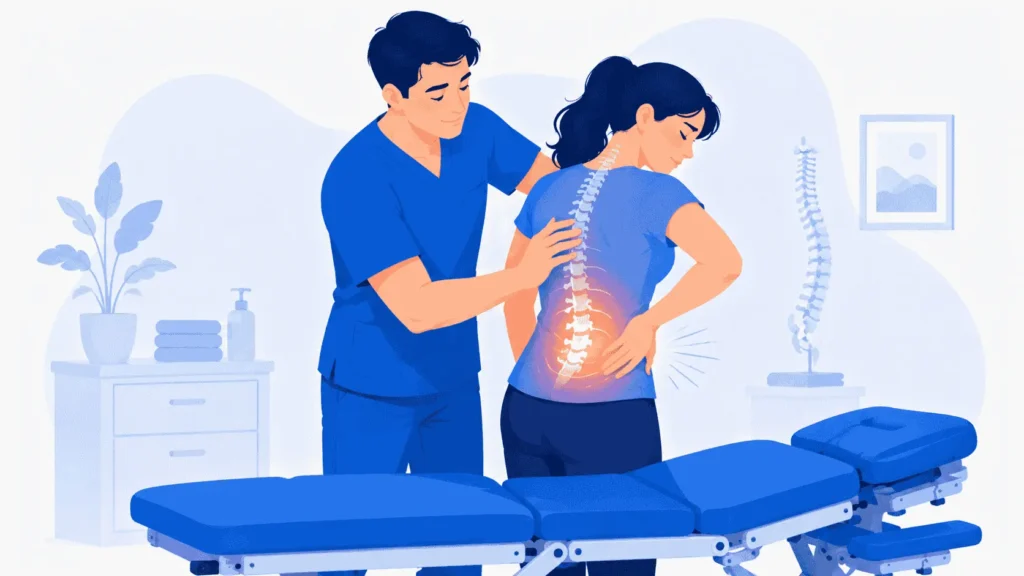
Back pain is easy to dismiss at first. Maybe you slept in an awkward position, lifted something heavy, or spent too many hours sitting at your desk.
You expect it to disappear in a day or two. But what if it doesn’t?
Most episodes of back pain improve without surgery or extensive treatment. However, some symptoms deserve professional attention, especially when pain keeps returning, affects your daily activities, or comes with unusual changes.
Knowing when to see a doctor for back pain can help you avoid unnecessary worry while recognising problems that shouldn’t be ignored.
Here are seven signs worth paying attention to, along with practical guidance on what to do next.
Is Back Pain Always a Cause for Concern?
Not necessarily.
Back pain can develop from muscle strain, unfamiliar physical activity, prolonged sitting, or other common musculoskeletal problems.
Mild discomfort often improves with time, gentle movement, and sensible activity adjustments.
However, back pain can occasionally be associated with nerve problems, fractures, infections, or other medical conditions.
The important thing is to consider not just how much your back hurts, but also how your symptoms began, whether they are improving, and whether anything else feels unusual.
7 Signs You Should See a Doctor for Back Pain
1. Your Back Pain Isn’t Getting Better
A sore back after lifting something heavy or exercising may improve gradually over several days.
But if your pain continues without meaningful improvement, it may be time for an assessment.
You might notice:
- Pain that remains persistent for several weeks
- Discomfort that gradually becomes worse
- Stiffness that does not improve with gentle movement
- Pain that repeatedly interrupts your routine
Persistent pain does not automatically mean something serious is wrong. However, an evaluation can help identify possible causes and appropriate next steps.
2. Back Pain Is Interfering With Everyday Activities
Does bending down to tie your shoes feel difficult? Are you struggling to sit through work or complete ordinary household tasks?
When back pain starts affecting your daily life, it deserves attention.
Common examples include:
- Difficulty walking or standing comfortably
- Pain while lifting everyday objects
- Trouble getting in and out of a car
- Avoiding activities because of discomfort
- Sleep disruption due to back pain
You do not have to wait until pain becomes unbearable before asking for professional advice.
3. Pain Travels From Your Back Into Your Leg
Back pain that spreads into the buttock, thigh, calf, or foot may suggest irritation of a spinal nerve.
This is sometimes associated with sciatica, although not every type of leg pain has the same cause.
You may experience:
- Sharp or shooting pain
- Burning sensations
- Tingling or pins and needles
- Numbness
- Pain that becomes worse in certain positions
These symptoms warrant medical assessment, particularly when they persist or worsen.
New or progressive leg weakness requires prompt medical attention.
4. Your Back Pain Keeps Returning
Some people experience back pain that improves temporarily, only to return weeks or months later.
You might notice flare-ups after:
- Long periods of sitting
- Heavy lifting
- Gardening or household work
- Sports or exercise
- Long drives
Recurring pain does not always indicate an unresolved injury or serious spinal problem.
However, it may be helpful to review your activity patterns, physical conditioning, previous injuries, and other contributing factors.
A healthcare professional can help you explore ways to manage symptoms and reduce their impact on everyday life.
5. Your Back Pain Started After an Injury
Back pain following a fall, car accident, or other physical injury should be taken seriously.
Even when discomfort initially seems manageable, an injury can sometimes involve structures that require medical evaluation.
Seek urgent medical attention after significant trauma, particularly if you experience severe pain, difficulty walking, or neurological symptoms.
Older adults and people with osteoporosis may also develop spinal fractures after relatively minor injuries.
Do not assume that all post-injury back pain is simply muscular.
6. Your Back Pain Is Worse at Night or Comes With Other Symptoms
Some people notice that back pain becomes more uncomfortable when lying in certain positions.
That alone does not necessarily indicate a serious condition.
However, persistent pain that is severe at night, does not ease with changing position, or occurs alongside other unexplained symptoms deserves medical assessment.
Pay particular attention to:
- Unexplained weight loss
- Fever or chills
- A history of cancer
- Feeling generally unwell
- Pain that continues to worsen
These symptoms do not confirm a particular diagnosis, but they can indicate the need for further investigation.
7. You Experience Numbness, Weakness, or Changes in Bladder or Bowel Control
Some neurological symptoms require immediate medical attention.
Go to an emergency department if you experience:
- New loss of bladder or bowel control
- Difficulty urinating together with new back or neurological symptoms
- Numbness around the groin, genitals, or inner thighs
- Rapidly worsening weakness in one or both legs
These symptoms can sometimes indicate serious compression of nerves in the lower spine, including a condition called cauda equina syndrome.
Although uncommon, it requires urgent medical assessment.
Do not wait for a routine chiropractic or primary care appointment if these warning signs appear.
When Is Back Pain an Emergency?
Not every painful episode requires emergency treatment.
However, some situations should be assessed immediately.
| Symptoms | Recommended action |
| Mild back stiffness after activity, gradually improving | Gentle self-care may be reasonable |
| Persistent or recurring pain affecting daily life | Arrange a professional assessment |
| Back pain with persistent leg tingling or numbness | Seek timely medical evaluation |
| Back pain after major trauma | Seek emergency medical assessment |
| New bladder or bowel dysfunction, saddle numbness, or rapidly worsening leg weakness | Go to an emergency department immediately |
| Back pain with fever, unexplained weight loss, or significant night pain | Seek prompt medical evaluation |
If you are unsure whether your symptoms represent an emergency, seek medical advice rather than trying to diagnose the problem yourself.
Should You See a Doctor or Chiropractor for Back Pain?
The most appropriate provider depends on your symptoms and medical history.
A medical doctor can evaluate a broad range of potential causes, investigate warning signs, prescribe medication when appropriate, and arrange specialist care.
A chiropractor may assess and provide conservative treatment for certain musculoskeletal back pain conditions.
For uncomplicated mechanical back pain, chiropractic care may be one of several options. However, symptoms involving significant neurological changes, systemic illness, or possible serious injury require medical evaluation.
What Can You Do for Mild Back Pain at Home?
If your symptoms are mild and there are no warning signs, simple self-care measures may help.
Stay Gently Active
Avoid prolonged bed rest when possible.
Short walks and comfortable daily movements can help maintain mobility.
Change Positions Regularly
If sitting makes your back uncomfortable, stand up and move periodically.
There is no single perfect posture, but avoiding long periods in one uncomfortable position may help.
Try Gentle Heat
A warm compress may temporarily ease muscular discomfort.
Use a comfortable temperature and avoid applying excessive heat directly to the skin.
Consider Comfortable Stretching
Gentle stretching may help some people manage stiffness.
However, avoid exercises that increase pain or cause symptoms to spread down your leg.
For practical movement ideas, see our guide to 10 stretches for lower back pain relief.
Monitor Your Symptoms
Pay attention to whether pain is gradually improving, staying the same, or getting worse.
If symptoms persist or new warning signs develop, arrange a medical evaluation.
Getting Back Pain Evaluated in Sanford, FL
If recurring back pain or stiffness is affecting your daily routine, a professional assessment may help you understand your options.
At VitalSpine Chiropractic in Sanford, FL, Dr. Michaelene Callahan, DC, provides chiropractic assessments and conservative care for appropriate musculoskeletal concerns

An evaluation may involve discussing your symptoms, reviewing your medical history, and examining relevant movement and function.
If your symptoms suggest a condition requiring medical investigation or specialist care, referral may be necessary.
For more information about the clinic’s approach, visit our back pain care page.
If your symptoms are appropriate for a chiropractic consultation, you can book an appointment.
Frequently Asked Questions
1. How long should I wait before seeing a doctor for back pain?
If back pain is mild and gradually improving, a short period of self-care may be reasonable. Arrange an assessment if it persists, worsens, repeatedly returns, or interferes with daily activities. Seek immediate care for emergency warning signs.
2. Can serious back problems occur without severe pain?
Yes. Pain intensity alone does not determine whether a condition is serious. Symptoms such as progressive weakness, bladder or bowel changes, or unexplained systemic symptoms may be more important warning signs.
3. Do I need an MRI for persistent back pain?
Not always. Imaging is generally considered when examination findings suggest a serious condition, significant neurological involvement, or when results would change treatment decisions. Routine MRI scans are not necessary for every episode of back pain.
4. Can stress contribute to back pain?
Stress can influence muscle tension, sleep, pain sensitivity, and how people experience discomfort. However, persistent pain should not automatically be attributed to stress without considering other possible causes.
5. Is it normal for back pain to come and go?
Recurring back pain is common, particularly with mechanical or musculoskeletal conditions. However, repeated episodes that interfere with your activities may benefit from professional evaluation and a longer-term management plan.
Disclaimer
This article is for general educational purposes and does not replace professional medical advice, diagnosis, or treatment. Seek immediate medical care for emergency symptoms, and consult a qualified healthcare professional about persistent or unexplained back pain.