Introduction
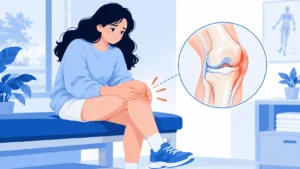
Yes, sciatica can sometimes contribute to knee pain, especially when irritation or compression of the sciatic nerve or related nerves causes pain to travel from the lower back through the hip and leg. However, knee pain can also come from the knee joint, muscles, tendons, or other conditions, so identifying the underlying cause is important.
If you are experiencing sciatica and knee pain, understanding the connection between your lower back, nerves, and knee can help you choose the right approach to care. At Vitalspine Vitalspine Chiropractic, FL, personalized chiropractic evaluation can help determine whether your symptoms may be related to the spine, nerves, or another musculoskeletal issue.
Can Sciatica Cause Knee Pain?
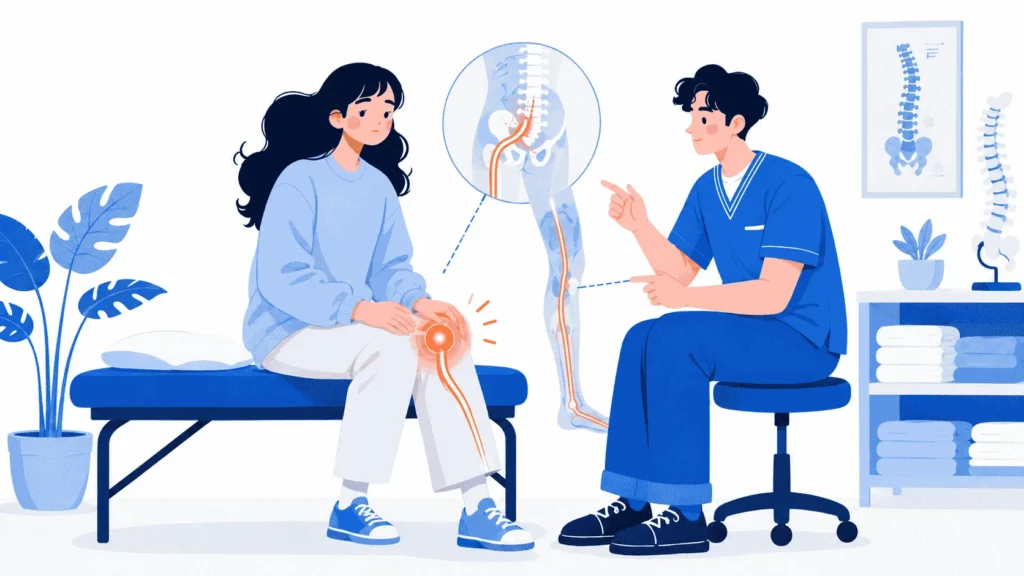
Sciatica typically involves irritation of the sciatic nerve, which runs from the lower back through the hips and down each leg. Depending on where the nerve or its contributing nerve roots are irritated, symptoms can travel into different areas of the leg.
While classic sciatica often causes pain below the knee, nerve irritation from the lower back can sometimes be felt around the knee. Pain may feel sharp, burning, aching, tingling, or electric rather than like typical joint pain.
Knee discomfort associated with nerve irritation may occur along with:
- Lower back pain
- Hip or buttock pain
- Leg pain
- Tingling or numbness
- Burning sensations
- Muscle weakness
- Changes in sensation
Because several conditions can produce similar symptoms, a proper evaluation is important before assuming that knee pain is caused by sciatica.
How Are Sciatica and Knee Pain Connected?
The nerves supplying sensation and movement to the leg originate from the lower spine. When these nerves become irritated or compressed, pain can sometimes be felt farther away from the original source.
For example, a person may have a problem in the lower back but notice discomfort extending into the hip, thigh, knee, or lower leg. This is sometimes called referred or radiating nerve pain.
The location and pattern of your symptoms can provide useful clues about whether your knee pain may be connected to the lower back.
What Does Knee Pain From Sciatica Feel Like?
Knee pain from nerve irritation may feel different from pain caused directly by the knee joint. Instead of localized soreness, nerve-related symptoms may involve sensations that travel along the leg.
You may notice:
- Burning or shooting knee pain
- Tingling around the knee or leg
- Numbness
- Pain that travels from the lower back or hip toward the leg
- Symptoms that change with certain positions
- Weakness in the leg
- Pain accompanied by back or buttock discomfort
If your knee pain occurs together with significant lower back or leg symptoms, it may be worth having both the knee and lower spine evaluated.
Can Sciatica Cause Burning Knee Pain?
Yes, nerve irritation can cause a burning sensation around the knee or leg. Burning pain is often associated with nerve-related symptoms and may occur alongside tingling, numbness, or shooting sensations.
However, burning knee pain does not automatically mean you have sciatica. Other nerve conditions, inflammation, injuries, and joint problems can produce similar sensations.
A healthcare professional can help determine the likely source of your symptoms.
How Can You Tell If Knee Pain Is Coming From Sciatica?
The pattern of your symptoms can help distinguish nerve-related pain from a problem originating directly in the knee.
Signs That May Suggest Nerve-Related Pain
Knee discomfort may be more likely to involve the lower back or nerves when it occurs with:
- Lower back or buttock pain
- Shooting pain traveling down the leg
- Tingling or numbness
- Burning sensations
- Muscle weakness
- Symptoms that change with spinal movement or certain positions
Signs That May Suggest a Knee Problem
Pain may be more directly related to the knee when you experience:
- Knee swelling
- Tenderness directly around the joint
- Pain after a knee injury
- Clicking or locking
- Difficulty bearing weight
- Pain specifically triggered by knee movement
These symptoms can overlap, so an evaluation is often the best way to determine what is causing your discomfort.
Lower Back Pain and Knee Pain: What Could Be the Cause?
There are several possible explanations for experiencing lower back pain and knee pain at the same time.
Nerve Irritation
Irritation of nerves originating in the lower spine can cause pain, tingling, or altered sensation into the leg.
Muscle Imbalances
Tight or weak muscles around the hips, pelvis, and legs can affect movement patterns and place additional stress on the lower back and knees.
Spinal Joint Dysfunction
Restricted movement or irritation in the lower spine may contribute to pain and altered movement mechanics.
Knee Joint Problems
Arthritis, tendon problems, ligament injuries, or other knee conditions can cause pain independently of sciatica.
Hip Problems
Because the hip, pelvis, knee, and lower back work together during movement, a problem in one area can sometimes affect how another area feels or functions.
Can a Chiropractor Help With Knee Pain?
A chiropractor may help when knee pain is related to musculoskeletal problems, movement dysfunction, or symptoms originating from the lower back and surrounding structures.
Chiropractic care may include an assessment of the:
- Spine
- Hips
- Pelvis
- Knee
- Muscles
- Movement patterns
- Posture
Depending on the findings, a personalized plan may include chiropractic adjustments, soft-tissue techniques, mobility exercises, corrective exercises, and lifestyle recommendations.
The goal is to address contributing factors rather than simply focusing on where the pain is felt.
Chiropractic Treatment for Sciatica and Knee Pain
If your knee symptoms are connected to sciatica or lower-back-related nerve irritation, treatment may focus on improving spinal and pelvic function while supporting healthy movement.
A personalized chiropractic care plan may include:
Spinal Adjustments
Gentle chiropractic adjustments may help improve movement in restricted spinal joints and support normal musculoskeletal function.
Soft-Tissue Therapy
Tight muscles around the lower back, hips, and legs may contribute to movement limitations. Soft-tissue techniques can help reduce muscle tension and improve mobility.
Corrective Exercises
Targeted exercises can help improve strength, flexibility, stability, and movement mechanics.
Posture and Movement Guidance
Your chiropractor may recommend changes to sitting, standing, lifting, and other daily activities that may contribute to recurring discomfort.
How to Treat Knee Pain From Sciatica
Treatment depends on the underlying cause and severity of your symptoms. If nerve irritation is contributing to knee pain, addressing the source of the nerve problem may be more appropriate than treating the knee alone.
Depending on your individual condition, conservative care may involve:
- Chiropractic care
- Therapeutic exercises
- Mobility and stretching
- Soft-tissue therapy
- Posture correction
- Activity modification
- Lifestyle recommendations
If symptoms are severe, persistent, or associated with significant weakness or loss of sensation, medical evaluation may be necessary.
When Should You See a Chiropractor for Knee Pain?
Consider professional evaluation when knee pain:
- Persists despite rest and basic self-care
- Interferes with walking or daily activities
- Occurs with lower back or hip pain
- Is accompanied by tingling or numbness
- Travels down the leg
- Keeps returning
- Limits your range of motion
A chiropractor can evaluate whether your symptoms may be related to the spine, hips, pelvis, muscles, or other musculoskeletal structures.
When Knee Pain Requires Medical Attention
Not all knee pain is appropriate for chiropractic treatment. Seek prompt medical evaluation if your symptoms involve:
- Severe or sudden pain
- Significant swelling
- Inability to bear weight
- Major injury or trauma
- Progressive leg weakness
- Loss of bladder or bowel control
- Numbness around the groin or inner thighs
- Fever or signs of infection
These symptoms may require urgent medical assessment.
Sciatica Treatment in Sanford, FL
If you are looking for sciatica treatment in Sanford, FL, it is important to choose care based on the cause and pattern of your symptoms. At Vitalspine Chiropractic, care is personalized around your condition, mobility, comfort, and functional goals.
Our approach may address the lower back, hips, pelvis, and surrounding muscles when these areas are contributing to your symptoms.
If you are searching for a chiropractor for sciatica in Sanford, FL or need help determining whether your knee pain may be connected to your lower back, a professional evaluation can be a useful first step.
Meet Dr. Michaelene Callahan, DC
Dr. Michaelene Callahan brings more than 24 years of chiropractic experience and provides personalized, non-invasive care focused on improving mobility, function, and overall wellness.
She earned her Doctorate of Chiropractic from Life University and takes a patient-centered approach to musculoskeletal conditions, including back pain, sciatica, and mobility-related concerns.
Learn more about Dr. Michaelene Callahan and her approach to personalized chiropractic care.

Why Choose Vitalspine Chiropractic in Sanford, FL?
If you are experiencing knee pain from sciatica, lower back pain, or radiating leg discomfort, identifying the underlying cause is an important part of choosing appropriate care.
At Vitalspine Chiropractic, patients receive:
- Personalized chiropractic evaluations
- Non-invasive treatment options
- Individualized care plans
- Mobility and movement guidance
- Support for back, hip, and musculoskeletal conditions
- Convenient chiropractic care in Sanford, FL
Our goal is to help patients understand their symptoms and work toward better movement, comfort, and function.
Frequently Asked Questions
Can sciatica cause knee pain?
Yes, nerve irritation originating in the lower back can sometimes cause pain or unusual sensations around the knee and leg. Sciatica-related knee pain may occur with burning, tingling, numbness, or pain traveling from the lower back or hip.
Can a chiropractor help with knee pain?
A chiropractor may help knee pain when it is related to musculoskeletal dysfunction, movement problems, or irritation originating from the lower back and surrounding structures. Treatment may include chiropractic care, soft-tissue techniques, mobility work, and corrective exercises.
How do you treat burning knee pain?
Burning knee pain may be caused by nerve irritation, inflammation, injury, or other conditions, so treatment depends on the underlying cause. If burning occurs with back pain, numbness, or radiating leg symptoms, professional evaluation can help identify whether nerve involvement is contributing.
Does sciatica cause knee pain?
Sciatica can sometimes contribute to knee discomfort when nerves from the lower back are irritated. However, pain specifically around the knee can also result from joint, muscle, tendon, or ligament problems, so the source should be properly evaluated.
Can sciatica cause pain in the knee and lower back?
Yes, sciatica may cause symptoms involving the lower back, hip, buttock, and leg, and some people may notice discomfort around the knee. The exact location depends on which nerves are irritated and how the symptoms travel.
Can sciatica cause nerve pain in the knee?
Nerve irritation can create burning, shooting, tingling, or numb sensations that may be felt around the knee. A professional evaluation can help determine whether the symptoms are coming from the lower back or another source.
Can a chiropractor help with sciatica and knee pain?
A chiropractor may help when knee symptoms are associated with spinal or musculoskeletal dysfunction. Chiropractic care can focus on improving mobility and function in the lower back, pelvis, hips, and surrounding structures.
Is knee pain from sciatica the same as arthritis?
No. Knee pain related to nerve irritation is different from osteoarthritis, which involves degeneration of the joint. Because symptoms can overlap, an evaluation is important to determine whether the knee itself or the nerves and lower back are contributing to your pain.
When should I see a chiropractor for sciatica?
Consider professional care when sciatica persists, repeatedly returns, limits movement, or affects your daily activities. A chiropractor can assess your spine and surrounding musculoskeletal structures and determine whether conservative care may be appropriate.
Where can I get sciatica treatment in Sanford, FL?
Vitalspine Chiropractic provides personalized chiropractic care in Sanford, FL for patients experiencing sciatica, back pain, and related musculoskeletal symptoms. Schedule an evaluation to discuss your symptoms and potential treatment options.
Get Help for Sciatica and Knee Pain in Sanford, FL
Knee pain does not always originate in the knee. When discomfort occurs alongside lower back pain, hip symptoms, tingling, numbness, or radiating leg pain, the nerves and spine may be contributing to the problem.
If you are ready to discuss your symptoms with the Vitalspine Chiropractic team, Book Your Appointment today. You can also Contact Us to learn more about sciatica and knee pain treatment options in Sanford, FL.
Disclaimer: This content is for informational purposes only and does not constitute medical advice, diagnosis, or treatment. Always consult a qualified healthcare professional for an evaluation and individualized treatment recommendations.