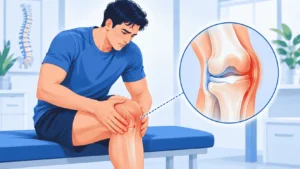

Back pain can make even simple activities uncomfortable. Sitting at work, getting out of bed, or walking around the house may become difficult. And when the pain keeps returning, you might start wondering whether surgery is the only way to find relief.
Fortunately, most people with back pain do not need surgery.
There are several non-surgical back pain treatment options that may help manage symptoms, improve movement, and support recovery. The right approach depends on what is causing your pain, how long you have experienced it, and whether your symptoms involve nerves or other structures.
In this guide, we explain seven treatment options, how they work, and when you may need further medical evaluation.
Can Back Pain Be Treated Without Surgery?
Yes. Many cases of back pain improve with conservative treatment, particularly when symptoms are related to muscle strain, nonspecific lower back pain, or certain disc-related problems.
Non-surgical treatment means managing back pain without an operation. Depending on the condition, this may involve exercise, physical therapy, medication, manual treatment, or other approaches.
The main goals are to:
- Reduce pain and discomfort
- Improve movement and daily function
- Maintain or gradually rebuild physical activity
- Support recovery without unnecessary procedures
- Help manage recurring symptoms
Not every treatment works equally well for every person. A professional assessment can help determine which options are appropriate.
What Causes Back Pain That May Not Require Surgery?
Back pain can develop for many reasons, and identifying the likely cause helps guide treatment.
Common causes include:
- Muscle strain: Overstretching or overloading muscles and surrounding tissues
- Prolonged inactivity: Reduced movement and physical conditioning that may contribute to discomfort
- Disc-related conditions: Changes in spinal discs that sometimes irritate nearby nerves
- Spinal joint problems: Irritation or age-related changes affecting spinal joints
- Sciatica: Nerve-related pain that may travel from the lower back into the leg
- Recurring mechanical back pain: Discomfort influenced by movement, physical loading, or certain positions
However, back pain can occasionally be associated with fractures, infections, inflammatory conditions, or other medical problems.
This is why persistent or unusual symptoms should not automatically be treated as a muscle or spinal alignment issue.
7 Non-Surgical Back Pain Treatment Options
Several conservative approaches may help, although their effectiveness depends on the diagnosis and individual circumstances.
1. Physical Therapy and Targeted Exercises
Exercise-based rehabilitation is an important part of managing many types of persistent back pain.
A physical therapist or qualified healthcare professional may recommend exercises that gradually improve strength, flexibility, and movement tolerance.
Treatment may involve:
- Gentle mobility exercises
- Core and hip strengthening
- Gradual return to normal activities
- Movement and lifting guidance
- Individualised exercise progression
Exercise is especially valuable because it helps people remain active and build confidence in movement.
There is no single exercise routine that works for everyone. The most appropriate programme depends on your symptoms, physical abilities, and recovery goals.
2. Chiropractic Care for Back Pain
Chiropractic care is another conservative option that some people consider for musculoskeletal back pain.
It may include spinal manipulation, mobilisation, exercise recommendations, and advice about daily movement.
For some people with lower back pain, spinal manipulation can provide modest improvements in pain and function. However, results vary, and chiropractic care is not suitable for every condition.
A chiropractor should review your medical history and symptoms before recommending treatment.
At VitalSpine Chiropractic in Sanford, FL, Dr. Michaelene Callahan, DC, provides individualised chiropractic assessments and care for appropriate musculoskeletal concerns.
Learn more about our chiropractic care services.
3. Medication for Back Pain
Medication may help some people manage back pain, particularly when discomfort makes everyday activities difficult.
Depending on the situation, a healthcare professional may consider:
- Nonsteroidal anti-inflammatory drugs (NSAIDs)
- Certain prescription medications for selected cases
- Short-term medication strategies alongside active rehabilitation
Medication decisions depend on medical history, other health conditions, and potential side effects.
For example, NSAIDs may not be suitable for people with certain kidney, stomach, cardiovascular, or pregnancy-related concerns.
Medication can sometimes help manage symptoms, but it does not replace an appropriate diagnosis or rehabilitation plan.
Always follow advice from a qualified medical professional before starting or changing medication.
4. Spinal Decompression Therapy
Spinal decompression therapy is a non-surgical approach that uses controlled mechanical traction to apply a pulling force to the spine.
It is sometimes offered for people with disc-related back pain or certain nerve-related symptoms.
During treatment, a patient lies on a specialised table while the equipment applies adjustable traction.
The intended effect is to temporarily change mechanical loading on spinal structures.
However, research has not established that non-surgical spinal decompression consistently provides meaningful benefits beyond other conservative treatments. It should not be presented as a guaranteed way to repair discs, reverse degeneration, or avoid surgery.
It is also unsuitable for certain patients, including some people with fractures, significant spinal instability, or other medical conditions.
VitalSpine offers spinal decompression as one of its services, with suitability determined through an individual assessment.
For a detailed explanation of the treatment itself, read our guide on what spinal decompression therapy is.
5. Massage and Soft Tissue Therapy
Massage therapy may provide short-term relief from muscle tension and discomfort for some people with back pain.
It is often used as a complementary approach rather than a complete treatment on its own.
Potential benefits may include:
- Temporary reduction in muscle soreness
- Improved comfort during movement
- Reduced feelings of muscle tightness
- Relaxation and stress management
Massage does not correct every underlying cause of back pain, and it is not a substitute for medical assessment when symptoms suggest nerve damage or another serious condition.
At VitalSpine, medical massage services may be considered as part of an individualised care approach.
6. Heat Therapy and Activity Modification
Simple self-care strategies can be helpful for many episodes of uncomplicated back pain.
Heat therapy may ease muscular discomfort, while temporary changes to aggravating activities can help make movement more manageable.
You might try:
- Applying gentle heat to tense muscles
- Taking short, comfortable walks
- Changing positions regularly
- Avoiding prolonged bed rest
- Gradually returning to usual activities
It is generally better to remain active within your tolerance than to stay in bed for extended periods.
However, repeatedly pushing through severe pain or worsening neurological symptoms is not advisable.
The goal is to find a manageable level of movement while allowing symptoms to settle.
7. Pain Management Procedures and Injections
When back pain continues despite initial conservative treatment, a medical specialist may consider additional options.
Depending on the diagnosis, these may include selected injections or other pain management procedures.
For example, an epidural steroid injection may be considered for certain patients with severe nerve-related leg pain, although the benefit is often temporary and the procedure carries risks.
These interventions are not routinely recommended for every type of back pain.
A medical professional should explain the expected benefits, limitations, and possible complications before recommending a procedure.
Which Non-Surgical Back Pain Treatment Is Best?
There is no single treatment that works best for everyone.
The most appropriate choice depends on whether your pain is muscular, disc-related, nerve-related, or associated with another medical condition.
| Treatment | When it may be considered |
| Exercise and physical therapy | Persistent or recurring mechanical back pain |
| Chiropractic care | Selected musculoskeletal back pain conditions |
| Medication | Short-term symptom management when medically appropriate |
| Spinal decompression | Selected cases after assessment, with limited evidence of added benefit |
| Massage therapy | Muscle tension and short-term comfort |
| Heat and activity modification | Uncomplicated back pain and self-management |
| Pain management procedures | Selected persistent or nerve-related conditions after specialist evaluation |
In many cases, a combination of appropriate treatments and gradual activity is more useful than relying on one passive therapy.
Can a Herniated Disc Heal Without Surgery?
Yes. Many people with a herniated disc improve without surgery, although recovery varies.
Some disc herniations decrease in size over time, and inflammation around affected nerves may settle.
Conservative management may involve exercise, appropriate medication, activity modification, and professional monitoring.
However, symptoms such as progressive muscle weakness or serious neurological changes require medical assessment.
Surgery may be considered when symptoms remain severe despite appropriate treatment or when significant nerve compression creates a risk of lasting damage.
How Long Does Non-Surgical Back Pain Treatment Take?
Recovery time depends on the cause, severity, duration, and individual circumstances.
Some episodes of acute lower back pain improve noticeably over days or weeks.
Persistent or recurring back pain may require a longer-term approach involving gradual strengthening, activity management, and ongoing reassessment.
Improvement is not always linear. Some people experience temporary flare-ups even as their overall function improves.
Rather than focusing only on pain scores, useful signs of progress include:
- Being able to sit or walk more comfortably
- Returning to usual activities
- Sleeping with fewer interruptions
- Improving movement confidence
- Needing less assistance with everyday tasks
If symptoms are not improving as expected, the diagnosis and treatment plan may need to be reviewed.
When Is Back Surgery Necessary?
Most people with back pain do not require surgery. However, certain conditions may need surgical evaluation.
Surgery may be considered when:
- Severe nerve-related symptoms persist despite appropriate conservative care
- Progressive neurological weakness develops
- Certain structural spinal conditions cause significant functional limitations
- Imaging findings and symptoms support a surgically treatable diagnosis
Some warning signs require emergency assessment rather than a routine appointment.
Seek emergency medical care if you develop:
- New loss of bladder or bowel control
- Numbness around the groin or saddle area
- Rapidly worsening weakness in the legs
These symptoms can indicate serious nerve compression.
Back pain accompanied by fever, significant trauma, or other concerning symptoms also requires prompt medical evaluation.
For a more detailed comparison, read our article on non-surgical spinal decompression vs surgery.
When Should You Seek Professional Help for Back Pain?
Consider arranging an evaluation if your back pain:
- Continues without meaningful improvement
- Repeatedly returns
- Interferes with work, sleep, or daily activities
- Travels into your leg
- Is accompanied by persistent numbness or tingling
- Makes ordinary movement increasingly difficult
A professional evaluation can help determine whether conservative musculoskeletal treatment is appropriate or whether additional medical investigation is needed..
Exploring Back Pain Treatment Without Surgery in Sanford, FL
If you are dealing with recurring back pain, you may want to explore conservative care before considering more invasive options.
At VitalSpine Chiropractic in Sanford, FL, Dr. Michaelene Callahan, DC, provides chiropractic care and other musculoskeletal treatment services based on individual patient needs.

An appointment typically begins with discussing your symptoms, medical history, daily activities, and treatment goals.
Depending on the findings, appropriate care options may be discussed, including chiropractic treatment, movement guidance, and other services offered at the clinic.
Not every type of back pain is suitable for chiropractic treatment. If symptoms suggest a condition requiring medical investigation or specialist care, appropriate referral may be necessary.
Looking for non-surgical options for back pain?
Book an appointment with VitalSpine Chiropractic to discuss whether conservative care may be appropriate for you.
You can also contact our Sanford team for more information.
Frequently Asked Questions (FAQs)
1. Can chronic back pain improve without surgery?
Yes. Many people with chronic back pain can improve their function and manage symptoms through exercise-based rehabilitation, appropriate conservative care, and other treatments. Recovery depends on the underlying condition and individual circumstances.
2. Is walking good for lower back pain?
Walking is often a useful, low-impact activity for people with uncomplicated lower back pain. Start with a comfortable distance and gradually increase activity as tolerated. Seek assessment if walking causes worsening weakness or significant nerve-related symptoms.
3. What are the alternatives to back surgery for a bulging disc?
Depending on the symptoms, alternatives may include physical therapy, exercise, medication, activity modification, and selected pain management procedures. Mechanical traction is sometimes offered, but evidence for its added benefit is limited.
4. Can non-surgical treatment help back pain that travels down the leg?
Some cases of nerve-related leg pain improve with conservative treatment. However, persistent numbness, significant weakness, or worsening neurological symptoms require medical evaluation.
5. What happens if conservative treatment does not improve my back pain?
If symptoms continue despite an appropriate treatment plan, your healthcare professional may reassess the diagnosis, consider further testing, or recommend a specialist consultation. Surgery is only one of several possible next steps.
Disclaimer
This article is for general educational purposes and does not replace professional medical advice, diagnosis, or treatment. Consult a qualified healthcare professional about persistent, worsening, or unexplained back pain.