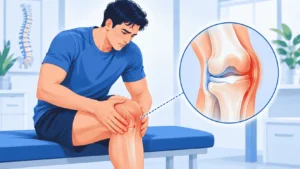

Sciatica can make even simple movements uncomfortable. You might feel a sharp pain travelling from your lower back into your buttock or leg. Sometimes it feels like burning, tingling, or an electric shock that gets worse when you sit, bend, or stand for too long.
When the pain keeps returning, it’s natural to wonder whether chiropractic treatment could help.
Can a chiropractor help with sciatica? In some cases, chiropractic care may be considered as part of conservative treatment. However, its suitability depends on what’s irritating the nerve, how severe your symptoms are, and whether there are signs of a more serious condition.
Not everyone with sciatica needs surgery, but not every case is appropriate for spinal manipulation either.
Here’s what you should know before deciding.
What Is Sciatica?
Sciatica describes symptoms caused by irritation or compression of nerve roots in the lower back that contribute to the sciatic nerve.
The sciatic nerve travels through the buttock and down the leg, but the source of typical sciatica is often in the lumbar spine.
Unlike ordinary lower back discomfort, sciatica commonly causes pain that travels into one leg.
Symptoms may include:
- Sharp or shooting pain through the buttock and leg
- Burning or electric-shock-like sensations
- Tingling or pins and needles
- Numbness in part of the leg or foot
- Pain that worsens with certain movements
- Weakness in the affected leg
Sciatica usually affects one side, although symptoms can sometimes occur on both sides.
Learn more about sciatica and its treatment options.
What Causes Sciatica?
Several spinal conditions can irritate the nerve roots associated with sciatica.
Herniated Disc
A herniated disc occurs when material from an intervertebral disc pushes beyond its usual boundaries.
If the disc irritates or compresses a nearby nerve root, pain may travel into the buttock or leg.
Not every disc herniation causes symptoms, and many improve without surgery.
Lumbar Spinal Stenosis
Spinal stenosis involves narrowing of spaces around the nerves in the spine.
Some people experience leg pain, tingling, or heaviness that becomes worse when standing or walking and improves when sitting or bending forward.
This pattern may differ from sciatica caused by a disc herniation.
Age-Related Spinal Changes
Changes in the discs, joints, and surrounding structures can sometimes narrow the space available for spinal nerves.
However, age-related findings on imaging are common and do not always explain a person’s symptoms.
Other Causes of Leg Pain
Not every pain travelling through the buttock or leg is sciatica.
Hip conditions, peripheral nerve problems, and other medical issues can produce similar symptoms.
An accurate assessment matters because treatment depends on the cause.
Can a Chiropractor Really Help with Sciatica?
A chiropractor may assess and manage selected musculoskeletal conditions associated with lower back and leg pain.
For some patients, conservative care may include advice about movement, appropriate exercises, and selected manual therapies.
Spinal manipulation has been studied for certain types of lower back pain, including some cases involving radiating leg symptoms. However, the evidence for treating sciatica specifically is limited and does not establish that chiropractic adjustments reliably relieve nerve compression.
Chiropractic treatment is not a guaranteed cure for sciatica.
It is also important to recognise that symptoms such as progressive muscle weakness or changes in bladder or bowel function require medical assessment rather than routine chiropractic treatment.
How Might Chiropractic Care Be Used for Sciatica?
Treatment should begin with an assessment rather than an assumption that the spine needs realignment.
1. Assessing the Lower Back and Nerve Symptoms
A clinician may ask about:
- Where the pain begins and travels
- Whether numbness or tingling is present
- Changes in leg strength
- Movements that worsen or ease symptoms
- Previous back injuries
- How long symptoms have been present
The assessment may also include neurological tests to evaluate strength, sensation, and reflexes.
These findings help determine whether conservative care is appropriate or medical referral is needed.
2. Selected Spinal Manual Therapy
Some chiropractors use spinal mobilisation or manipulation for suitable patients.
These techniques may offer symptom relief for certain lower back conditions, but they do not physically push a herniated disc back into place or guarantee that pressure on a nerve will disappear.
Manipulation may be inappropriate in some circumstances, particularly when serious neurological problems or other contraindications are present.
3. Therapeutic Exercise
Appropriate exercise is an important part of conservative management for many people with sciatica.
Depending on the diagnosis, a clinician may recommend:
- Gentle movement
- Gradual walking
- Exercises matched to symptom response
- Strengthening and conditioning
- A gradual return to normal activities
Exercises should not be forced through severe or worsening leg pain.
4. Activity and Lifestyle Guidance
Certain activities or positions may aggravate sciatic symptoms.
A clinician may recommend temporarily adjusting prolonged sitting, heavy lifting, or repetitive bending.
The goal is generally to remain as active as reasonably possible rather than staying in bed for extended periods.
5. Referral When Appropriate
Some patients need further evaluation by a primary care doctor, physical therapist, spine specialist, or another healthcare professional.
A chiropractor should recognise when symptoms suggest a condition that requires investigation beyond conservative chiropractic management.
Can Spinal Decompression Therapy Help Sciatica?
Some clinics offer non-surgical spinal decompression therapy for people experiencing disc-related back or leg pain.
This treatment uses controlled traction intended to apply a pulling force to the spine.
Although some patients report symptom relief, high-quality evidence has not established that mechanical spinal decompression provides consistent, meaningful benefits for sciatica.
It should not be described as a proven method for repairing discs or permanently releasing trapped nerves.
At VitalSpine Chiropractic, you can learn more about the clinic’s advanced spinal decompression service and discuss whether it is appropriate for your individual condition.
Is Chiropractic Adjustment for Sciatica Safe?
The safety of spinal manipulation depends on the patient’s condition, the technique used, and the provider’s clinical judgement.
Temporary soreness or increased discomfort can occur after manual treatment.
Serious complications are uncommon, but risks and contraindications should be discussed before treatment.
Spinal manipulation should not be used as a substitute for urgent evaluation when symptoms suggest significant nerve compression or another serious condition.
A qualified provider should explain the possible benefits, risks, and alternative treatment options before proceeding.
Chiropractor vs. Physical Therapist vs. Spine Specialist for Sciatica
Different healthcare professionals may contribute to sciatica management.
| Provider | When they may be appropriate |
| Chiropractor | Assessment and selected conservative care for suitable musculoskeletal complaints |
| Physical therapist | Exercise-based rehabilitation, movement guidance, and activity progression |
| Primary care doctor | New, persistent, worsening, or unexplained symptoms |
| Spine specialist | Significant neurological symptoms, persistent severe pain, or suspected structural nerve compression |
For most people, the most useful starting point is an accurate diagnosis and a treatment plan appropriate to their symptoms.
What Can You Do at Home for Mild Sciatica?
If your symptoms are mild and there are no warning signs, some practical steps may help you stay comfortable.
Keep Moving Gently
Short walks or other comfortable movements may help maintain activity.
Avoid prolonged bed rest unless a healthcare professional has advised otherwise.
Change Positions Regularly
Sitting or standing in one position for long periods may aggravate symptoms.
Try changing positions throughout the day.
Adjust Aggravating Activities
Temporarily reduce activities that significantly worsen your leg pain.
For example, heavy lifting or repeated bending may need to be modified while symptoms settle.
Find a Comfortable Sleeping Position
Some people feel more comfortable lying on their side with a pillow between their knees or on their back with support beneath their knees.
There is no single sleeping position that works for everyone.
Avoid Aggressive Stretching
Forceful hamstring or nerve stretching can sometimes worsen radiating leg pain.
If a movement increases tingling, numbness, or shooting pain, stop and seek appropriate guidance.
How Long Does Sciatica Usually Last?
Recovery varies depending on the cause and severity.
Many people with acute sciatica improve over several weeks to a few months with conservative management.
Others experience symptoms that last longer or return periodically.
A longer recovery does not automatically mean surgery is necessary, but persistent symptoms deserve reassessment.
If pain is worsening, limiting your daily life, or accompanied by neurological changes, seek medical advice.
When Should You See a Doctor for Sciatica?
Arrange a medical evaluation if:
- Leg pain is persistent or worsening
- Numbness or tingling continues
- Symptoms interfere with walking or daily activities
- Pain is not improving with appropriate self-care
- You develop new weakness in the leg or foot
When Is Sciatica an Emergency?
Seek emergency medical care if you experience:
- New difficulty controlling your bladder or bowels
- Difficulty starting urination or loss of bladder sensation
- Numbness around the groin, genitals, or inner thighs
- Severe or progressive weakness in the legs
- Significant neurological symptoms affecting both legs
These symptoms may indicate serious nerve compression, including cauda equina syndrome, and require immediate assessment.
What to Expect During a Sciatica Assessment
A clinician may begin by discussing the pattern of your symptoms, medical history, and activities.
The examination may include:
- Lower back movement
- Leg strength
- Sensation and reflexes
- Walking ability
- Tests that assess nerve irritation
Imaging is not routinely necessary for every case of sciatica.
MRI or other investigations may be recommended when there are concerning neurological findings, persistent symptoms, or a need to guide further treatment.
Sciatica Care at VitalSpine Chiropractic in Sanford, FL
If pain is travelling from your lower back into your leg, understanding what’s causing it can help you make informed decisions about treatment.
At VitalSpine Chiropractic in Sanford, FL, Dr. Michaelene Callahan, DC, provides chiropractic and musculoskeletal care.

An assessment can help determine whether conservative chiropractic care may be suitable for your symptoms or whether another healthcare professional should be involved.
Learn more about sciatica care at VitalSpine or explore the clinic’s chiropractic care services.
To discuss available services, book an appointment.
Frequently Asked Questions
1. Can a chiropractor help with sciatica caused by a herniated disc?
Some conservative care may be appropriate, depending on the severity of symptoms and neurological findings. Chiropractic adjustments do not repair a herniated disc, and persistent or worsening nerve symptoms require medical evaluation.
2. Can chiropractic adjustments make sciatica worse?
Some patients experience temporary soreness or increased symptoms after manual treatment. If pain, numbness, or weakness worsens, stop treatment and seek medical advice. Significant neurological symptoms require prompt assessment.
3. Is walking good for sciatica?
Gentle walking is often reasonable if it does not significantly aggravate symptoms. Start with manageable distances and adjust activity according to your comfort and medical guidance.
4. Can sciatica go away without chiropractic treatment?
Yes. Many cases improve over time with conservative management. Recovery depends on the underlying cause, and chiropractic care is not required for everyone.
5. How do I know if sciatica is getting worse?
Increasing leg weakness, spreading numbness, worsening pain, or new difficulty walking may indicate deterioration. Bladder or bowel changes and numbness around the groin require emergency medical attention.
Disclaimer
This article is for general educational purposes only and does not replace professional medical advice, diagnosis, or treatment. Sciatica can have different causes, and treatment suitability depends on an appropriate clinical assessment.