![What Is Neuropathy What Causes it, Symptoms & Treatment Options]](https://vitalspinechirofl.com/wp-content/uploads/2026/01/What-Is-Neuropathy-What-Causes-it-Symptoms-Treatment-Options-1024x576.webp)
Introduction
Neuropathy is a condition that affects millions of people and can significantly interfere with daily life. Tingling, numbness, burning sensations, or weakness in the hands and feet are often early signs that something isn’t functioning properly within the nervous system. Understanding what is neuropathy and what causes it is the first step toward managing symptoms and protecting long-term nerve health.
At Vitalspine Chiropractic in Sanford, FL, Dr. Michaelene Callahan focuses on identifying underlying contributors to nerve irritation and supporting the body’s natural healing process through personalized chiropractic care.
What Is Neuropathy? What Causes It?
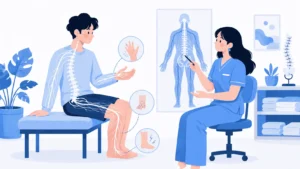
Neuropathy refers to damage or dysfunction of the peripheral nerves, which are responsible for sending signals between the brain, spinal cord, and the rest of the body. When these nerves are disrupted, communication breaks down leading to pain, numbness, weakness, or abnormal sensations.
So, what is neuropathy and what causes it? Neuropathy can develop for several reasons, including:
- Nerve compression caused by spinal misalignment
- Poor circulation that limits oxygen and nutrient delivery
- Metabolic imbalances
- Injuries or repetitive stress
- Chronic inflammation
Understanding what is neuropathy and what causes it allows healthcare providers to focus on addressing contributing factors rather than only managing symptoms.
Common Symptoms of Neuropathy
Neuropathy symptoms can vary depending on the nerves affected and the severity of the condition. Some people experience mild discomfort, while others struggle with ongoing pain or functional limitations.
Common symptoms include:
- Tingling or “pins and needles” sensations: This is often one of the earliest signs of neuropathy and may feel like a constant buzzing, prickling, or crawling sensation under the skin. It commonly starts in the fingers or toes and can gradually spread upward over time.
- Numbness in the hands, feet, or legs: Ongoing numbness can reduce your ability to feel pain, pressure, or injury, increasing the risk of cuts, sores, or balance problems. This symptom often worsens as nerve damage progresses and may interfere with walking or using your hands.
- Burning or sharp pain: Many people describe neuropathy pain as burning, stabbing, shooting, or electric-like. This discomfort may be mild at first but can become more intense, especially at night, making it difficult to sleep or relax.
- Muscle weakness or balance issues: Damaged nerves may struggle to communicate with muscles, leading to weakness, poor coordination, or frequent stumbling. Over time, this can affect posture, mobility, and overall confidence in movement.
- Sensitivity to touch or temperature changes: Neuropathy can cause heightened sensitivity, where even light touch from clothing or bedsheets feels painful. Some individuals also have trouble sensing heat or cold properly, increasing the risk of burns or injuries.
These symptoms may come and go at first, but they often progress over time if the underlying cause is not addressed.
What Is Often Mistaken for Neuropathy?
Several conditions share symptoms similar to neuropathy, which can lead to delayed or incorrect treatment. What is often mistaken for neuropathy includes muscle strains, poor circulation, pinched nerves, sciatica, plantar fasciitis, or joint conditions.
A thorough evaluation helps determine whether nerve dysfunction is present or if symptoms are related to another musculoskeletal issue.
What Is Neuropathy Disability Score?
Patients often ask, what is neuropathy disability score? This score is a clinical measurement used to assess the severity of nerve damage and how much it affects daily function. It considers factors such as pain intensity, sensory loss, muscle weakness, and balance problems.
Understanding neuropathy disability score helps providers track progression and determine appropriate treatment strategies.
What Happens If Neuropathy Is Left Untreated?
Many people wonder what happens if neuropathy is left untreated. Over time, nerve damage may worsen, leading to increased pain, loss of sensation, balance issues, and reduced mobility. In advanced cases, untreated neuropathy can affect independence and overall quality of life.
Early care plays a key role in slowing progression and supporting nerve function.
Neuropathy and Chiropractic Care
Chiropractic care focuses on improving nervous system function by addressing spinal alignment, joint mobility, and musculoskeletal balance. Neuropathy and chiropractic care work together by reducing nerve interference and supporting optimal communication between the brain and body.
While chiropractic care does not claim to cure neuropathy, it can play a supportive role in managing symptoms and improving function.
Chiropractic Treatment for Neuropathy
Chiropractic treatment for neuropathy is tailored to each patient’s condition and may include:
- Gentle spinal adjustments to reduce nerve compression
- Improving joint mobility and posture
- Supporting circulation and movement
- Lifestyle and ergonomic guidance
Many patients seek neuropathy chiropractic care as part of a comprehensive, non-invasive approach to nerve health.
Choosing the Right Neuropathy Chiropractor
When looking for a neuropathy chiropractor, experience and individualized care matter. A chiropractor trained in chiropractic neuropathy evaluation will focus on identifying contributing factors rather than masking symptoms.
At Vitalspine Chiropractic, patients receive personalized care plans designed to support nerve health, mobility, and overall wellness.
Take Action for Your Nerve Health
If nerve discomfort, tingling, or numbness is affecting your daily life, don’t ignore the signs. Schedule an appointment with Vitalspine Chiropractic in Sanford, FL to explore supportive chiropractic care for neuropathy and take a proactive step toward better nerve health. Contact us today!
5 FAQs About Neuropathy
1. Can chiropractic care help neuropathy symptoms?
Chiropractic care may help reduce nerve irritation, improve mobility, and support overall nervous system function.
2. Is neuropathy permanent?
Neuropathy varies by cause and severity. Early care may help slow progression and manage symptoms.
3. How long does chiropractic treatment for neuropathy take?
Treatment duration depends on individual response and underlying factors. Many patients notice gradual improvement over time.
4. Is chiropractic care safe for neuropathy?
Yes, care is gentle and customized to the patient’s condition.
5. 1. Can peripheral neuropathy chiropractic care really help?
Peripheral neuropathy chiropractic care focuses on reducing nerve interference caused by spinal misalignments. While it does not cure neuropathy, it may help support nerve function, improve mobility, and reduce discomfort when used as part of a personalized care plan.
6. When should I see a chiropractor for neuropathy?
If you experience persistent tingling, numbness, or nerve-related discomfort, a chiropractic evaluation may be helpful.
Disclaimer
This blog is for informational purposes only and is not a substitute for professional medical advice, diagnosis, or treatment. Always consult your physician or chiropractor regarding any medical condition or before beginning any new treatment plan.